
China remains a major global supplier of key abrasive raw materials, including fused alumina and silicon carbide, according to the U.S. Geological Survey (USGS) 2026 Mineral Commodity Summaries.
USGS data for 2025 show that China accounted for approximately 96% of U.S. imports of crude fused alumina and 97% of U.S. imports of crude silicon carbide. China also supplied approximately 57% of U.S. imports of ground and refined silicon carbide.
These figures indicate that China continues to play an important role in the U.S. and global abrasive raw material supply chain.
Key USGS Data on Abrasive Raw Materials
| Material | 2025 U.S. Import Data | China’s Share |
|---|---|---|
| Crude fused alumina | Approx. 150,000 metric tons | Approx. 96% |
| Crude silicon carbide | Approx. 95,000 metric tons | Approx. 97% |
| Ground and refined silicon carbide | — | Approx. 57% |
USGS also reports that the United States remains highly dependent on imports for these materials. U.S. net import reliance for fused alumina has remained above 95%, while net import reliance for silicon carbide was approximately 74% in 2025.
Why Fused Alumina and Silicon Carbide Matter
Fused alumina and silicon carbide are essential abrasive materials used across multiple manufacturing industries.
Common applications include:
- Grinding wheels
- Coated abrasives
- Cutting discs
- Abrasive blasting
- Lapping and polishing
- Refractory materials
- Ceramics
- Surface preparation
Downstream industries include automotive, aerospace, steel, construction, furniture and general manufacturing.
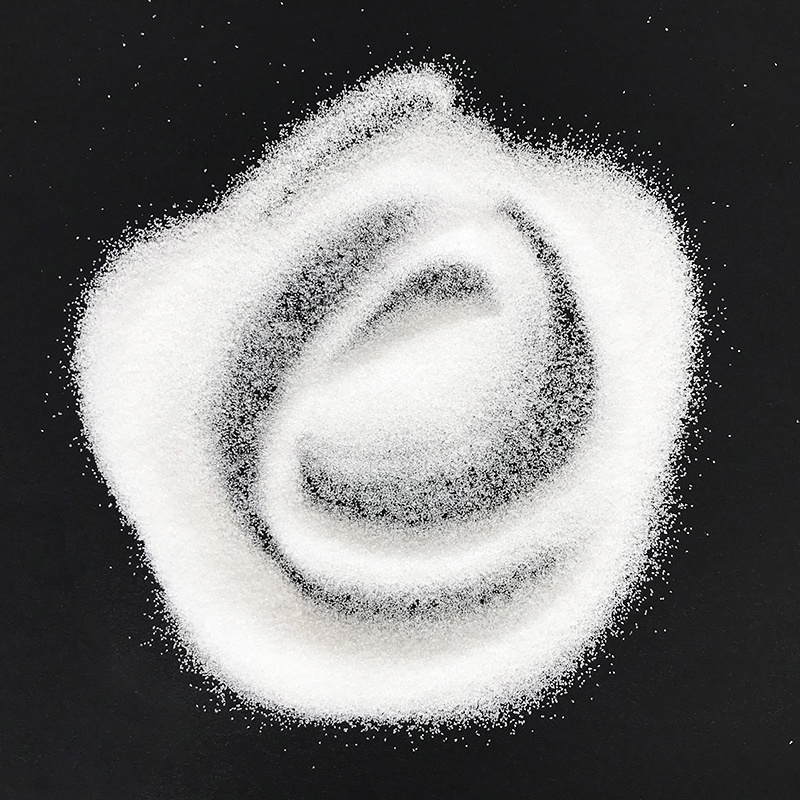
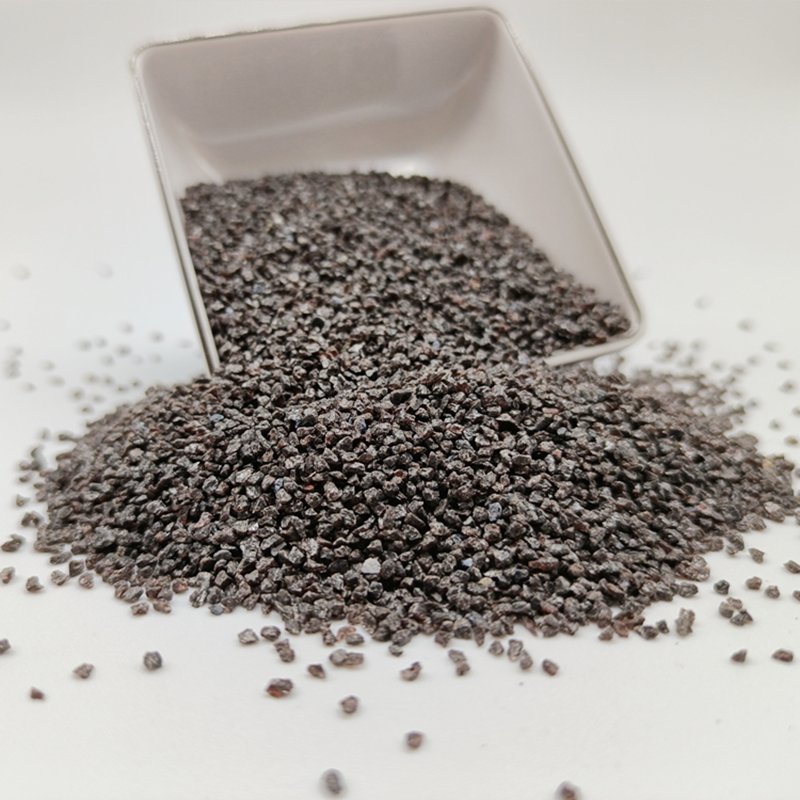
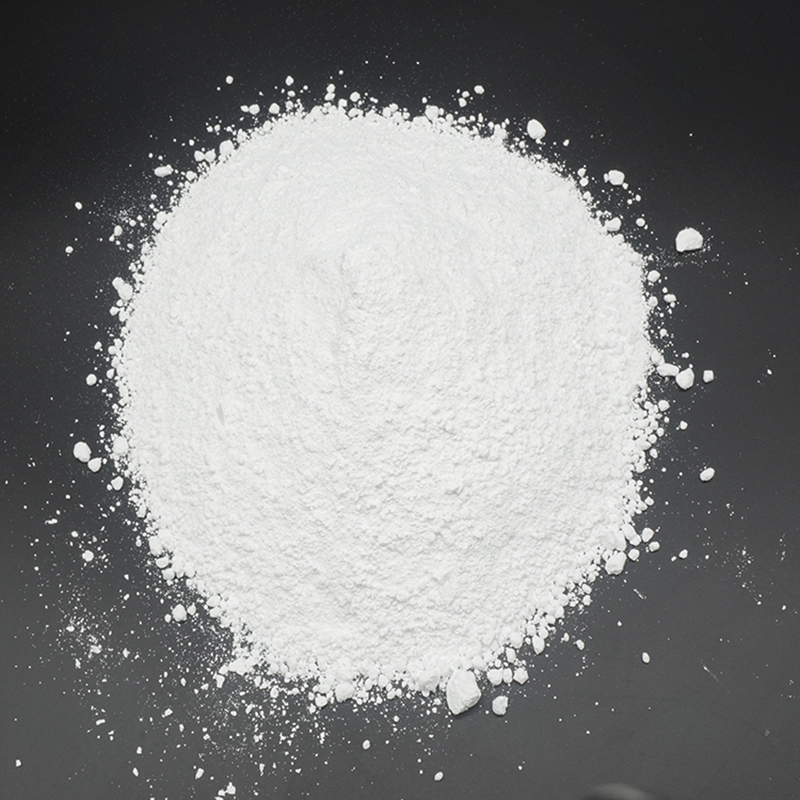
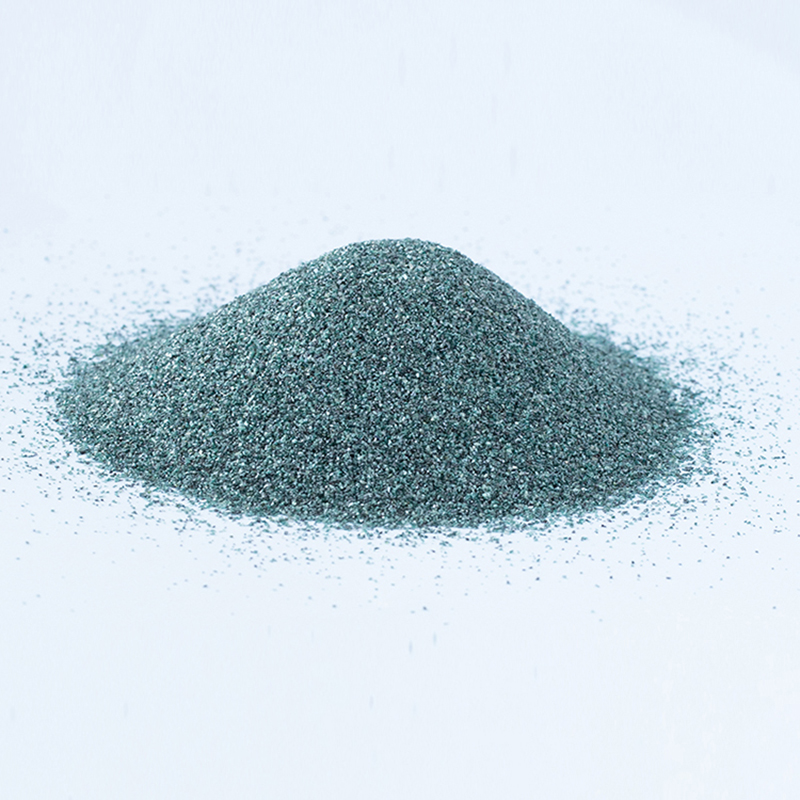
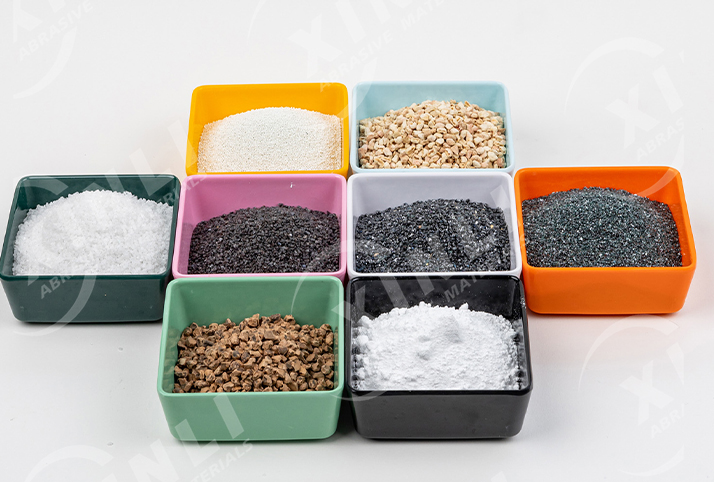
Fused alumina includes materials such as White Fused Alumina (WFA) and Brown Fused Alumina (BFA). Silicon carbide is commonly supplied as Green Silicon Carbide (SiC) and Black Silicon Carbide (SiC).
China Is One of the World’s Largest Production Bases
China’s importance is not limited to exports to the United States.
According to USGS estimates for 2025, global fused alumina production capacity was approximately 1.3 million metric tons, with China accounting for approximately 800,000 metric tons.
Global silicon carbide capacity was approximately 1 million metric tons, with China accounting for approximately 450,000 metric tons.
This makes China one of the world’s largest production bases for both fused alumina and silicon carbide.
Why Is China Important to the Abrasive Supply Chain?
China has developed a large and mature abrasive materials industry supported by:
- 1 Large-scale production capacity
- 2 Established raw material supply chains
- 3 Extensive abrasive processing and grading capabilities
- 4 Competitive production costs
- 5 Large export capacity
- 6 Established logistics and port infrastructure
- 7 Long-term experience supplying international abrasive manufacturers
For industrial buyers, changing suppliers is not determined by price alone. Abrasive materials must also meet requirements for chemical composition, particle size distribution, purity, consistency, delivery reliability and application performance.
As a result, replacing an established abrasive raw material supplier can require product testing, customer qualification and process validation.
Is China Still Important Despite Supply Chain Diversification?
Yes.
Global manufacturers are increasingly looking for diversified sources of industrial raw materials. However, diversification does not immediately eliminate the importance of existing production centers.
The 2025 U.S. import data reported by USGS demonstrate that China remains a significant source of fused alumina and silicon carbide for the U.S. market.
At the same time, the market is not completely dependent on one country. Other major producing and exporting countries also participate in the global supply chain, particularly for processed and refined abrasive materials.
From Standard Abrasives to Higher-Value Materials
The market data also highlight an important trend for abrasive manufacturers.
China’s share is particularly strong in crude and standard-grade materials. Its share is lower in some processed and refined product categories.
This means future competition will increasingly depend on more than production capacity and price.
Important areas of competition include:
- High-purity abrasive materials
- Low-impurity products
- Precise particle-size distribution
- Fine and micronized powders
- Advanced classification
- Consistent batch quality
- Application-specific abrasive grades
- Technical support
- Quality control
For abrasive manufacturers, moving from commodity materials toward higher-performance and application-specific products can create greater long-term value.
What Does This Mean for Abrasive Buyers?
For international buyers, China’s continued production capacity provides an important sourcing option for White Fused Alumina, Brown Fused Alumina, Green Silicon Carbide and Black Silicon Carbide.
However, buyers should evaluate suppliers based on more than price.
Before selecting a supplier, buyers should check:
- Chemical composition
- Al₂O₃ or SiC content
- Fe₂O₃ and other impurity levels
- Grit size and particle-size distribution
- Production capacity
- Quality control
- COA and TDS
- Packaging options
- Lead time
- Export experience
- Sample testing
A stable abrasive supply requires consistent quality and reliable delivery, especially for manufacturers using abrasives in high-volume production.
What Is the Outlook for China’s Abrasive Industry?
China is expected to remain an important participant in the global abrasive raw material supply chain.
The industry’s competitive advantage is gradually moving beyond high production volume and low cost toward:
purity + consistency + particle-size control + processing technology + application expertise + technical service.
For manufacturers of fused alumina and silicon carbide, these capabilities will become increasingly important as international customers demand tighter specifications and more reliable performance.
About Xinli Abrasives
Zhengzhou Xinli Wear-Resistant Material Co., Ltd. (Xinli Abrasives) is a Chinese manufacturer and supplier of abrasive materials, including White Fused Alumina, Brown Fused Alumina, Green Silicon Carbide, Black Silicon Carbide and Alumina Powder.
Xinli supplies abrasive grains and powders for applications including grinding, polishing, sandblasting, surface preparation, refractory materials, ceramics and other industrial applications.
For product specifications, particle sizes, samples or quotations, contact Xinli Abrasives for technical support.
FAQ
What are the main abrasive raw materials supplied by China?
China is a major producer and exporter of fused alumina and silicon carbide, including White Fused Alumina, Brown Fused Alumina, Green Silicon Carbide and Black Silicon Carbide.
Is China still a major supplier of abrasive materials to the United States?
Yes. According to 2025 USGS data, China accounted for approximately 96% of U.S. crude fused alumina imports and 97% of crude silicon carbide imports.
What is fused alumina used for?
Fused alumina is widely used in grinding wheels, coated abrasives, blasting media, refractory materials, ceramics and surface-treatment applications.
What is silicon carbide used for?
Silicon carbide is used for grinding, lapping, polishing, abrasive blasting, refractory materials, ceramics and other high-performance applications.
What should buyers consider when selecting an abrasive supplier?
Buyers should evaluate purity, chemical composition, particle-size distribution, consistency, production capacity, quality control, packaging, lead time and technical support, rather than comparing price alone.