

Marble sandblasting is becoming an effective surface treatment method for combining safety and aesthetics in architectural stone applications. By using a high-pressure air stream to propel abrasive media onto the marble surface, manufacturers can create a uniform, fine matte texture without changing the overall character of the stone.
Marble sandblasting is mainly used for two purposes: improving slip resistance and creating decorative surface effects.
1. Improving Slip Resistance
Polished marble can become slippery, especially in areas exposed to water or frequent foot traffic. Sandblasting creates a controlled textured surface that provides additional grip.
For marble stair treads, for example, a sandblasted anti-slip strip can offer a practical alternative to deep grooves. It can provide a more uniform appearance while maintaining the natural look of the marble.
2. Creating Decorative Effects
Sandblasting is also widely used as a decorative technique.
A matte pattern can be blasted onto a polished marble slab to create a strong contrast between glossy and matte areas. With a suitable template or masking process, manufacturers can also create logos, patterns, lettering, and customized designs.
This combination of polished and matte surfaces can add depth and visual interest to otherwise simple marble surfaces. The technique is often suitable for minimalist architectural projects, including hotel lobbies, feature walls, reception areas, and commercial interiors.
The Importance of Abrasive Selection
The abrasive plays an important role in achieving a consistent sandblasted finish.
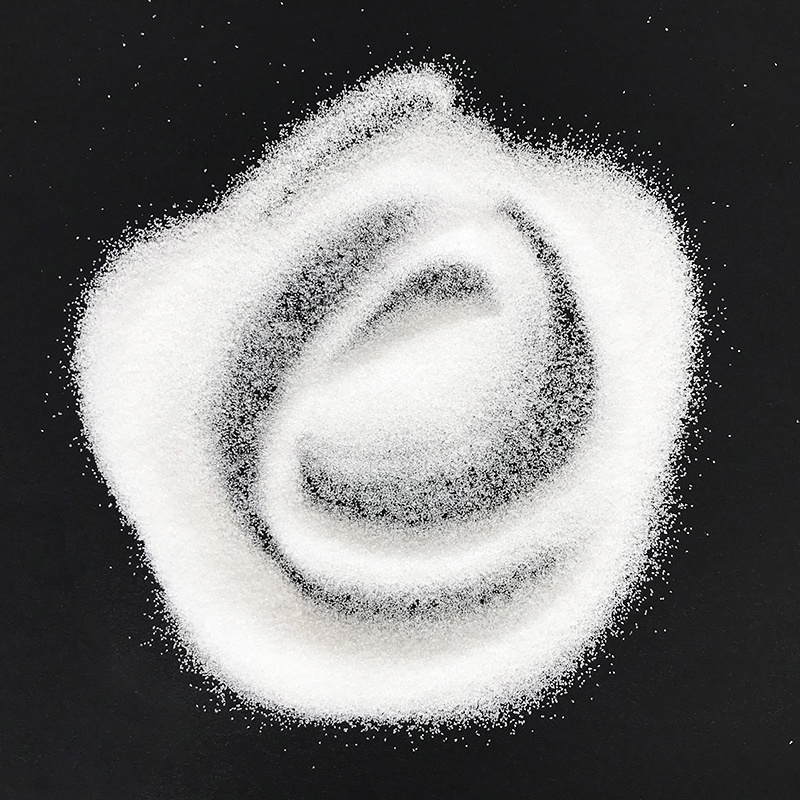
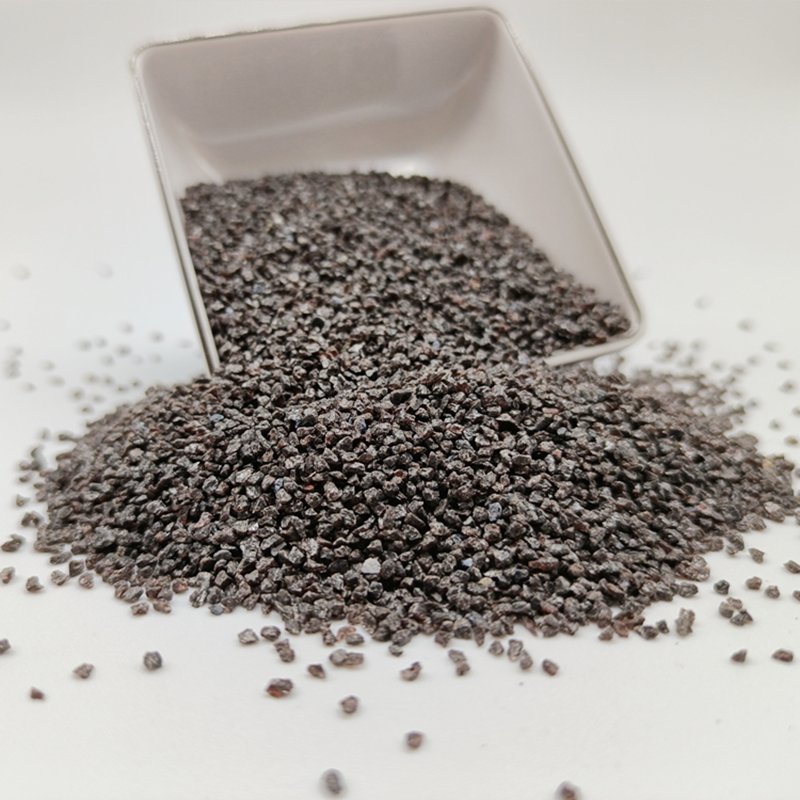
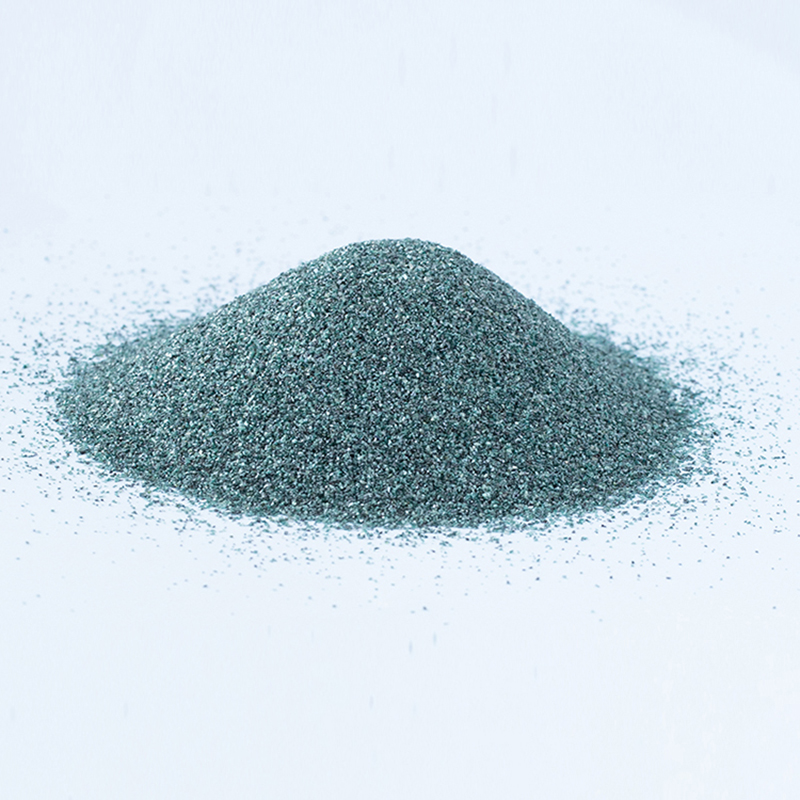
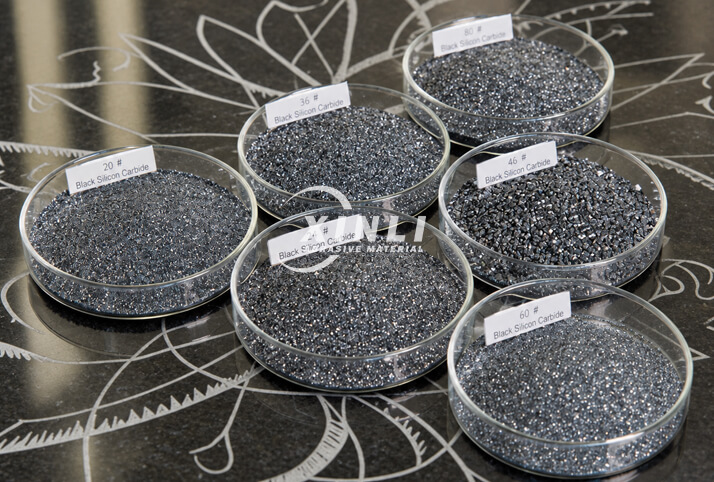
Black Silicon Carbide (Black SiC) is a hard, angular abrasive that can be used for stone surface treatment and sandblasting applications. Its sharp grain structure provides an effective cutting action, making it suitable for producing controlled textures on marble and other stone surfaces.
The appropriate abrasive grain size should be selected according to the required surface texture, blasting equipment, marble type, and application.
Three Key Points for Consistent Sandblasting
Although the process appears simple, consistent results require good process control.
After sandblasting, the marble surface should be thoroughly cleaned and dust should be removed. Applying the appropriate stone protection treatment can then help complete the finishing process.
A Practical Surface Treatment for Modern Marble Design
From anti-slip stair treads to decorative logos and matte patterns, marble sandblasting offers both functional and aesthetic possibilities.
With the right abrasive, equipment settings, masking method, and operator technique, manufacturers can achieve a controlled and uniform surface finish while expanding the design possibilities of marble.
Xinli Abrasives supplies high-performance abrasive materials, including Black Silicon Carbide, for stone processing, sandblasting, polishing, and other industrial applications. Customized grit sizes and samples are available for testing.