
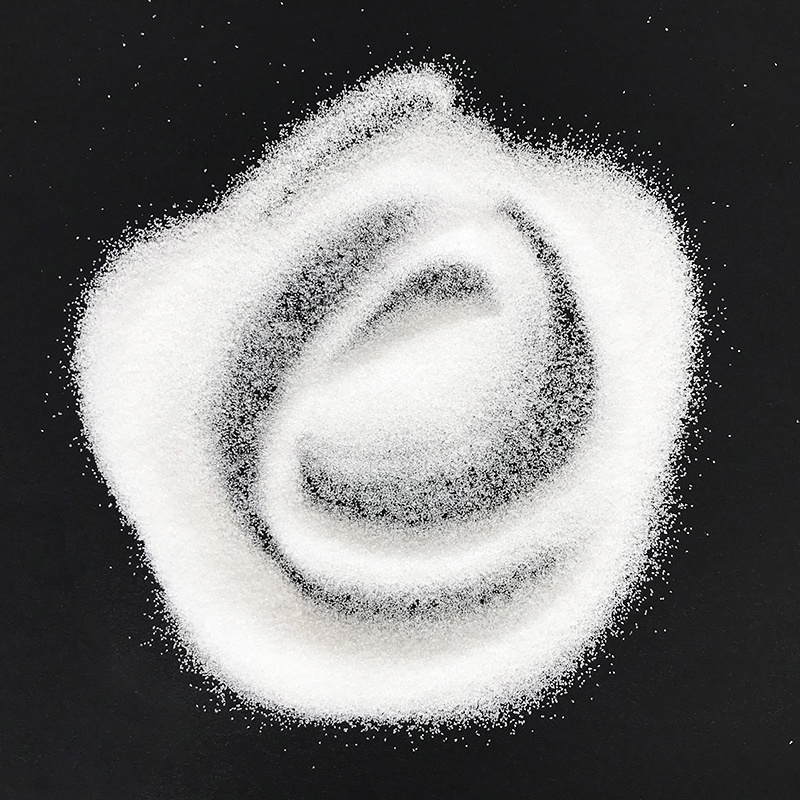
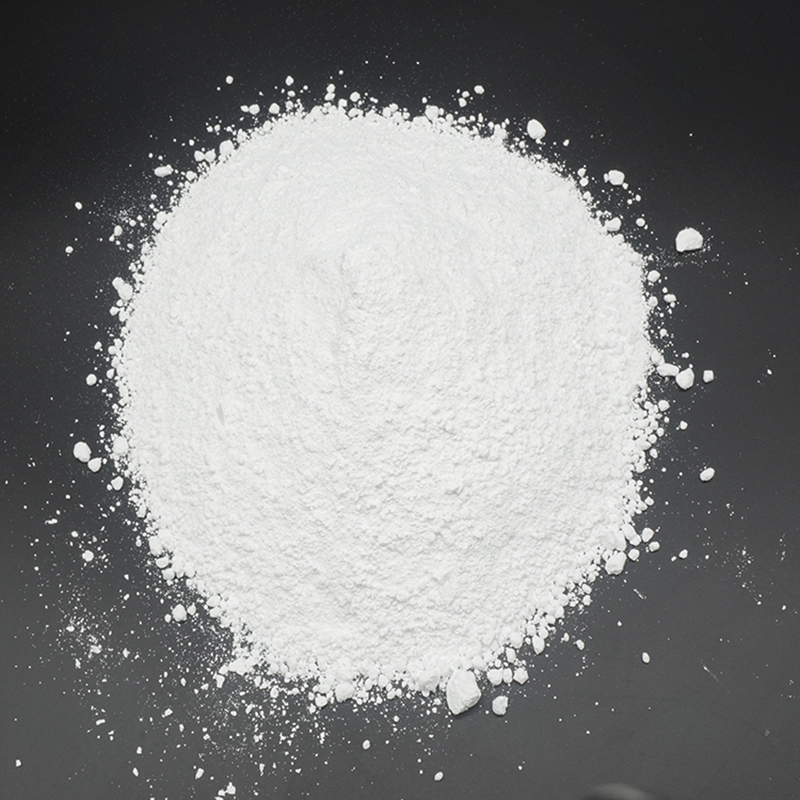
Silicon Carbide (SiC) is a high-performance synthetic abrasive material known for its exceptional hardness, high thermal conductivity, excellent chemical stability, and sharp cutting ability. It is widely used in abrasive, refractory, ceramic, metallurgical, and surface treatment applications.
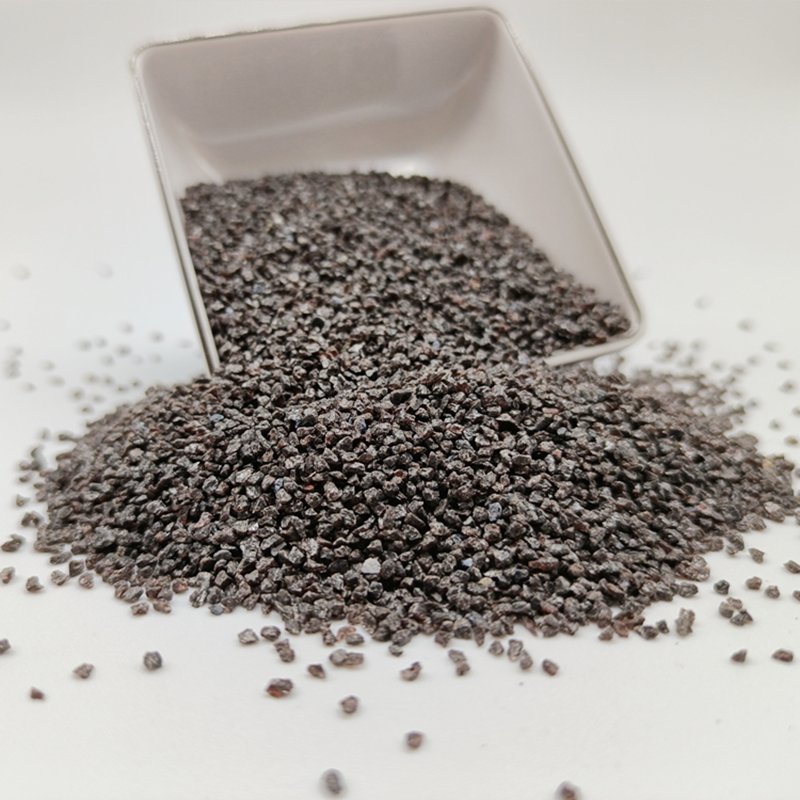
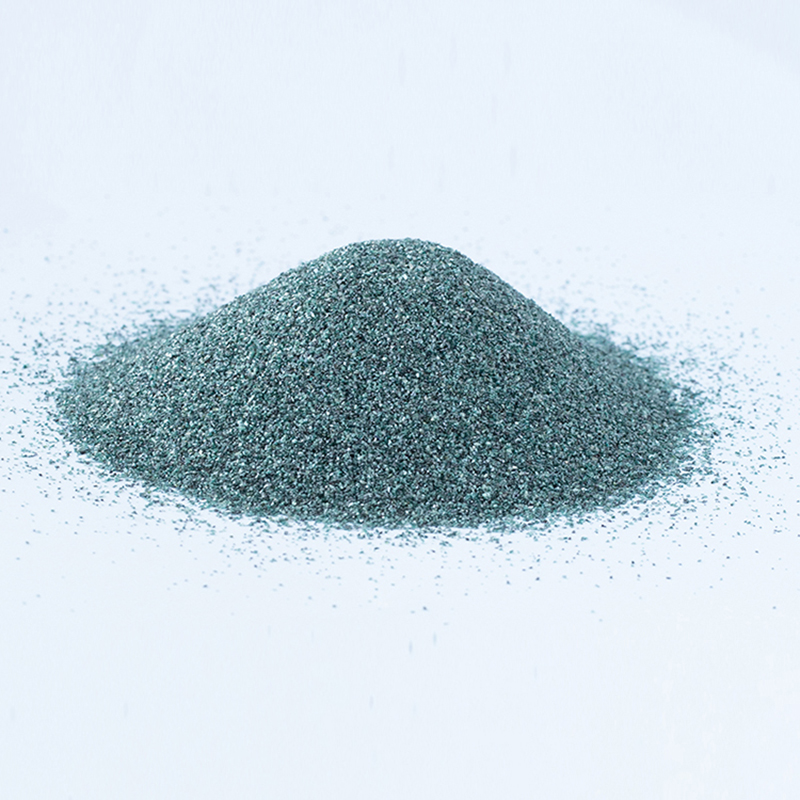
Silicon carbide is mainly available in two types: Black Silicon Carbide and Green Silicon Carbide.
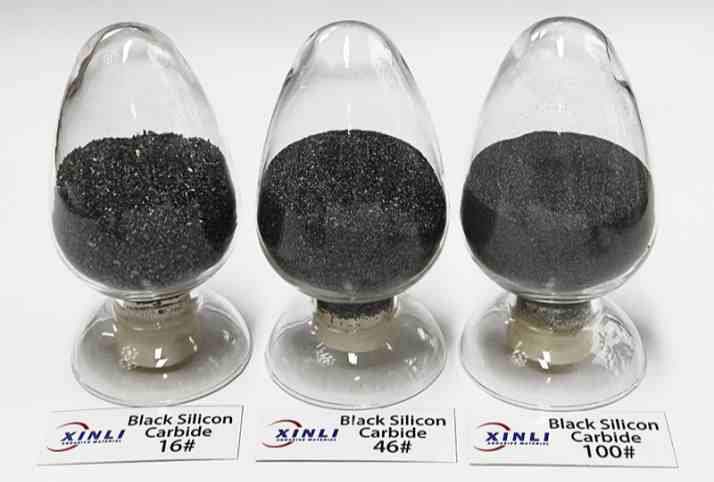
Black Silicon Carbide
Black silicon carbide is produced from high-quality quartz sand and petroleum coke at high temperatures. It features high hardness, good toughness, sharp edges, and strong grinding performance. It is widely used for grinding, cutting, sandblasting, stone processing, refractory materials, and metallurgical applications.
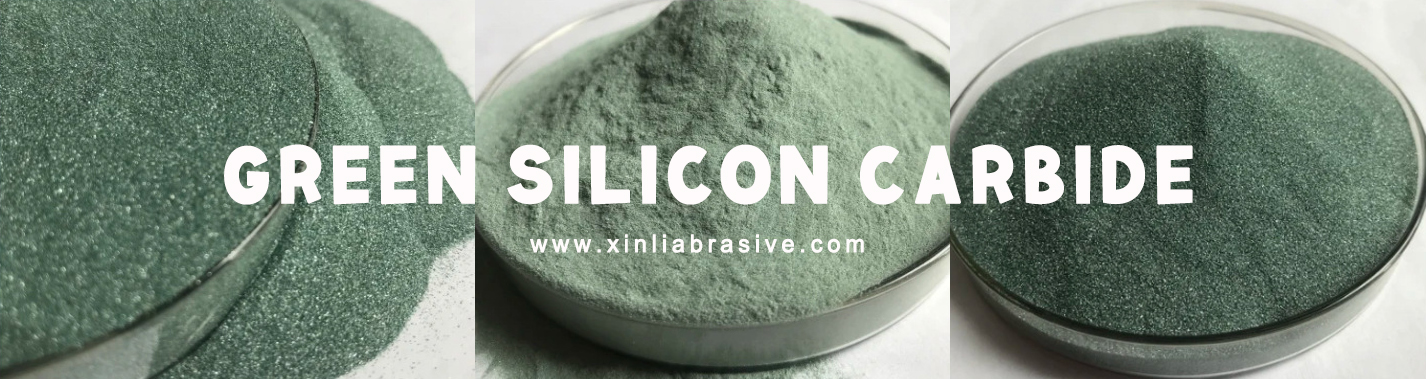
Green Silicon Carbide
Green silicon carbide is characterized by higher purity, greater hardness, and sharper cutting performance than black silicon carbide. It is commonly used for precision grinding, lapping, polishing, ceramic processing, glass processing, semiconductor materials, and other applications requiring high surface precision.
Applications of green silicon carbide and black silicon carbide

1 Silicon Carbide for Reaction-Bonded Silicon Carbide
Green silicon carbide micropowder can be used as one of the important raw materials for reaction-bonded silicon carbide ceramics. It is suitable for different formulation systems and forming processes, including casting, extrusion, and pressing.
The material is mainly processed by jet milling, featuring good particle shape, excellent flowability, and a well-controlled particle size distribution. It has received positive feedback from downstream customers.
Typical applications include silicon carbide nozzles, kiln furniture, flue gas desulfurization equipment, electrical components, sealing parts, grinding barrels, and other silicon carbide ceramic products.
2 Silicon Carbide for Pressureless Sintering
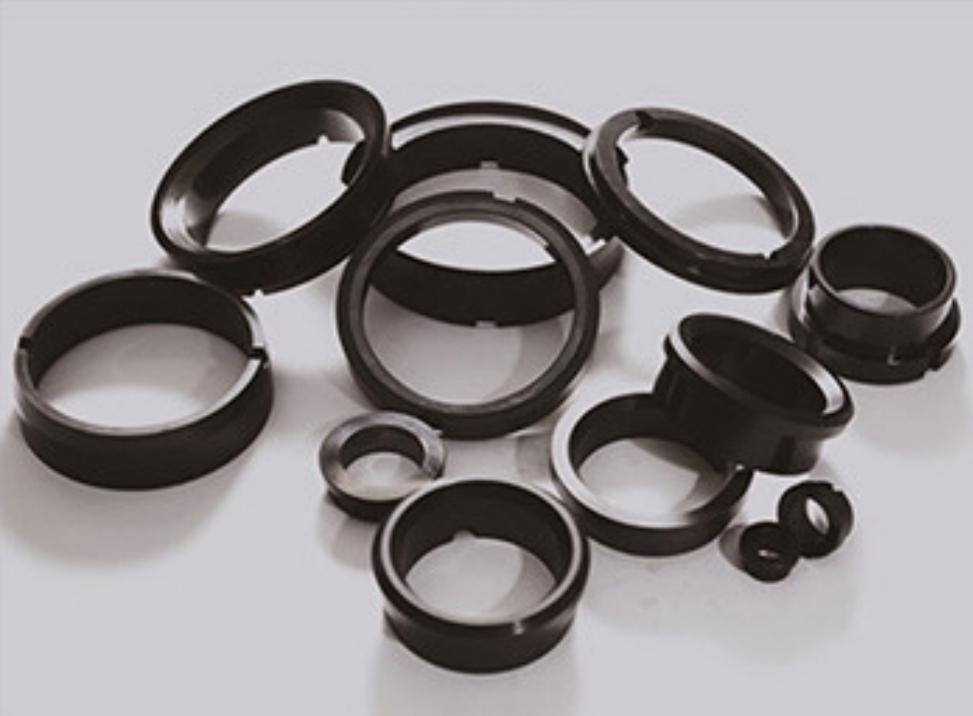
Silicon carbide for pressureless sintering is processed by wet grinding. It features high purity, a narrow particle size distribution, good flowability, and stable performance.
The resulting ceramic products offer high density, high hardness, excellent wear resistance, and corrosion resistance. They are widely used in sealing components, ballistic protection equipment, heating plates, pumps and valves, new energy applications, scientific research, and defense-related applications.
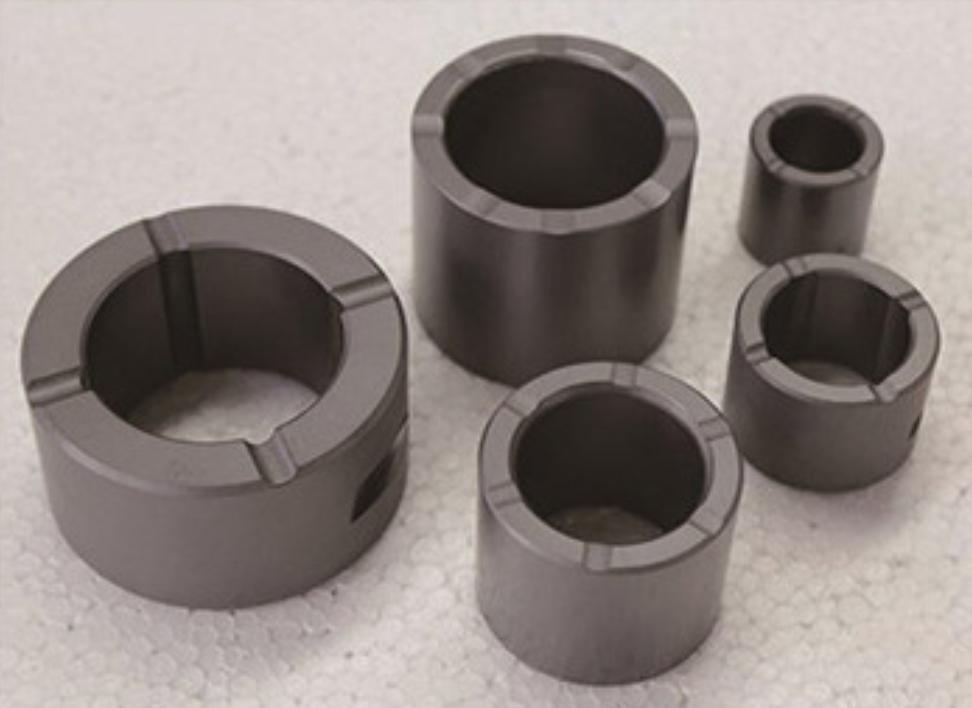
3 Silicon Carbide for Precision Ceramics
Special ceramics generally require high-purity micro- or nano-scale raw materials. The requirements for the raw materials include:
1. Small particle size with a narrow particle size distribution, or a properly designed particle size gradation.
2. Equiaxed particle morphology, with fewer agglomerates and low agglomeration strength.
3. Controllable chemical purity and uniform chemical composition. Typical requirements may include a D50 below 0.8 μm and a maximum particle size below 5 μm.
Silicon carbide mainly composed of α-SiC is used as a raw material to provide excellent thermal stability and corrosion resistance for precision ceramics. With a concentrated and uniform particle size distribution, it helps achieve a high production yield, stable shrinkage, and the desired sintered density.
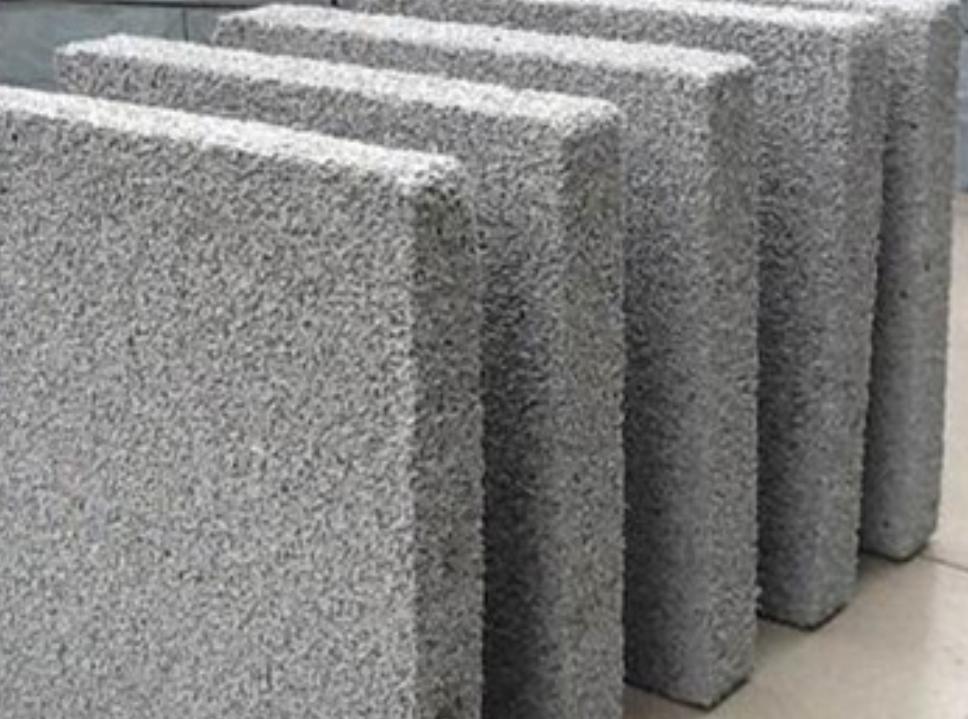
4 Silicon Carbide for Thermal Insulation Materials
Thermal insulation materials generally refer to materials with a thermal conductivity of 0.12 or below, including insulation boards and nano-porous insulation boards.
Currently, silicon carbide micropowder with a particle size of 5 μm or finer is commonly used by customers. XINLI Abrasives silicon carbide micropowder has passed RoHS requirements and is manufactured under an ISO 9001 quality management system. With low levels of restricted hazardous substances, it can be used in specific insulation material formulations to improve product performance while supporting energy-saving and environmentally friendly applications.
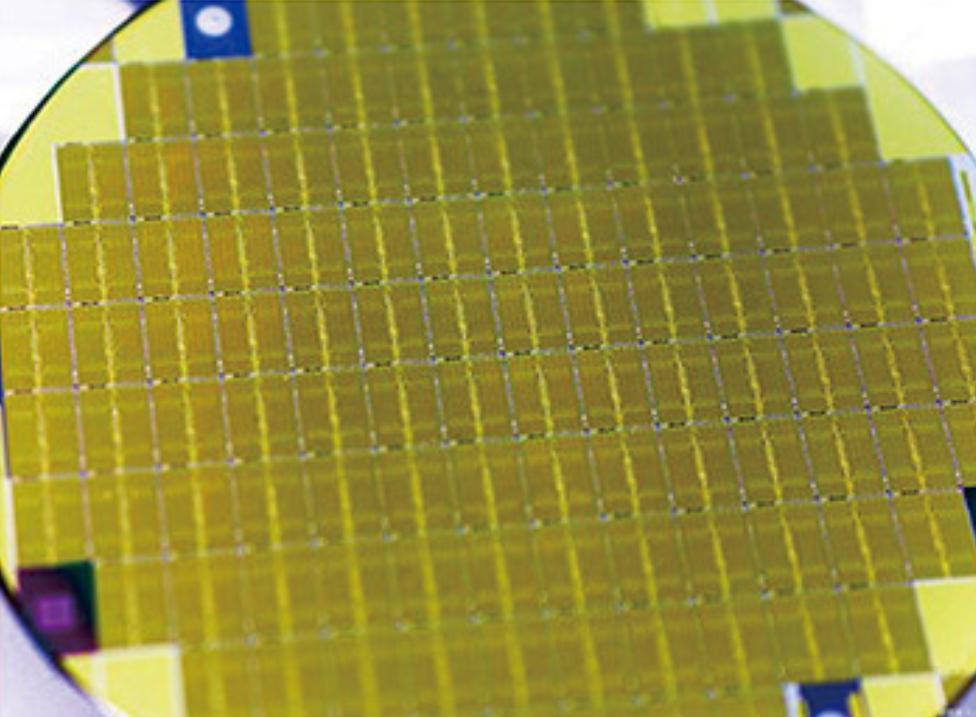
5 Silicon Carbide for Ceramic Substrates
Silicon carbide ceramic substrates play an important role in power electronics. Compared with conventional silicon materials, silicon carbide has a more stable crystal structure and a wider bandgap. Its maximum operating temperature can reach up to 600°C, and its breakdown electric field is more than ten times that of silicon.
Silicon carbide devices offer higher blocking voltages and lower conduction losses. Therefore, power devices based on silicon carbide technology can achieve significantly higher blocking voltages than conventional silicon devices. At similar power levels, silicon carbide devices can also provide lower conduction losses.
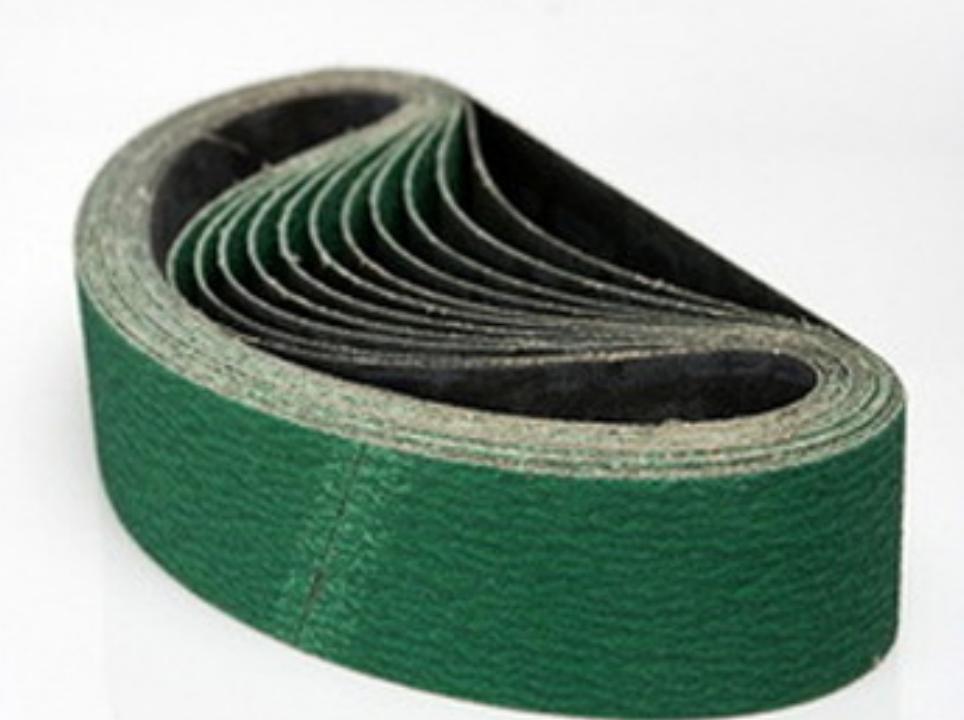
6 Silicon Carbide for Coated Abrasives
Silicon carbide is a commonly used abrasive material for coated abrasives, including abrasive belts, abrasive cloth, and sandpaper.
With high hardness, excellent wear resistance, and strong chemical stability, silicon carbide can effectively improve grinding efficiency and machining quality. During the production of coated abrasives, silicon carbide grains are evenly distributed and bonded onto the backing material to form an abrasive layer, enabling efficient grinding and processing of workpieces.
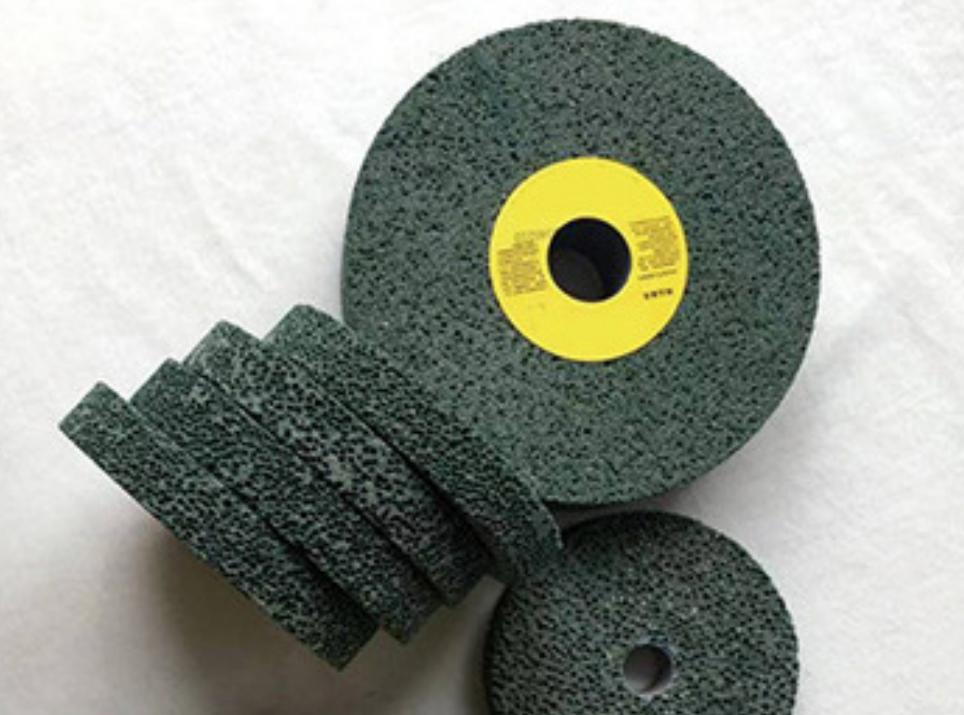
7 Silicon Carbide for Recrystallized Silicon Carbide
Silicon carbide grades RS07 and RS100 are mainly used in the production of recrystallized silicon carbide ceramics.
The processing methods include grinding, surface modification, jet milling, and particle shaping. A bulk density of 1.75 or above is required, together with a carefully designed combination of coarse and fine particles for improved packing.
Key features include high bulk density, good flowability, and stable performance. These properties can help improve product density, wear resistance, and corrosion resistance.
It is widely used in high-performance kiln furniture, electrical ceramics, sanitary ceramics, tableware ceramics, grinding wheels, metallurgy, and other industries.
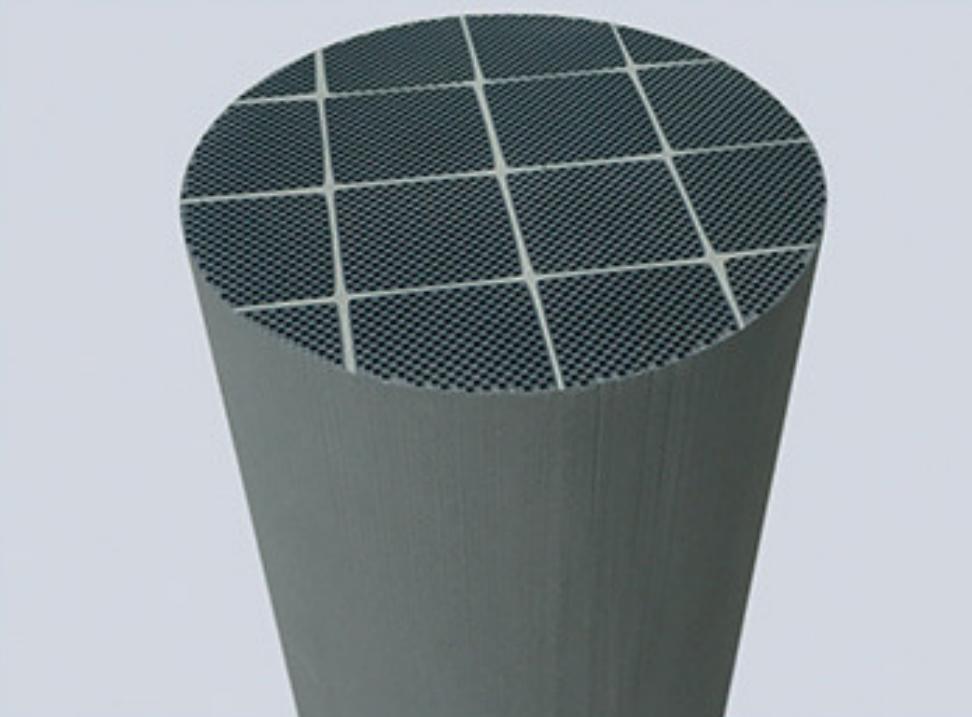
8 Silicon Carbide Micropowder for DPF
Automotive diesel particulate filters (DPF) are produced using high-purity silicon carbide micropowder that has undergone special purification processes. The material is mixed according to specific formulations, followed by kneading, slurry preparation, forming, and firing.
The final product features a wall-flow structure with an overall multi-channel honeycomb design. Alternate channels are plugged to force exhaust gases through the porous ceramic walls, enabling the capture and purification of particulate matter from vehicle exhaust.
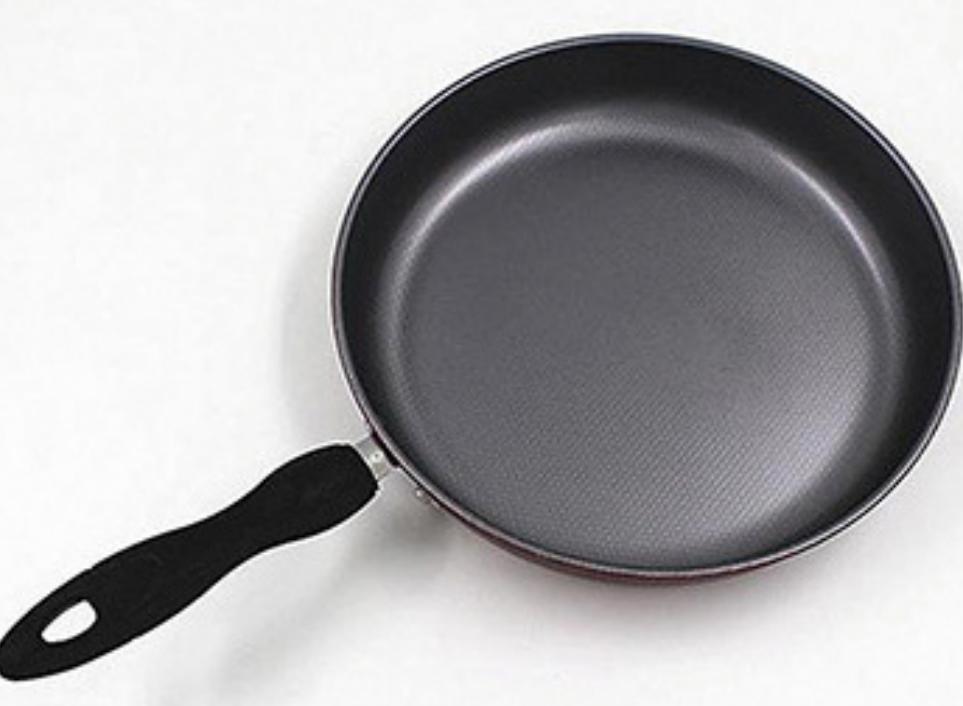
9 Silicon Carbide Micropowder for Non-Stick Cookware Coatings
Based on extensive customer application experience and cooperation with research institutions, XINLI Abrasives has developed silicon carbide micropowder for non-stick cookware coating applications.
Silicon carbide offers excellent high-temperature resistance, corrosion resistance, hardness, and wear resistance. When properly incorporated into a coating formulation, silicon carbide micropowder can form a hard protective structure that helps improve the surface durability and wear resistance of the coating.
It can be used in high-performance cookware coating systems. The final heat resistance, non-stick performance, and food-contact safety of the coating depend on the complete coating formulation and should be evaluated according to applicable testing standards and regulations.
The product complies with applicable RoHS requirements and is manufactured under an ISO 9001 quality management system.
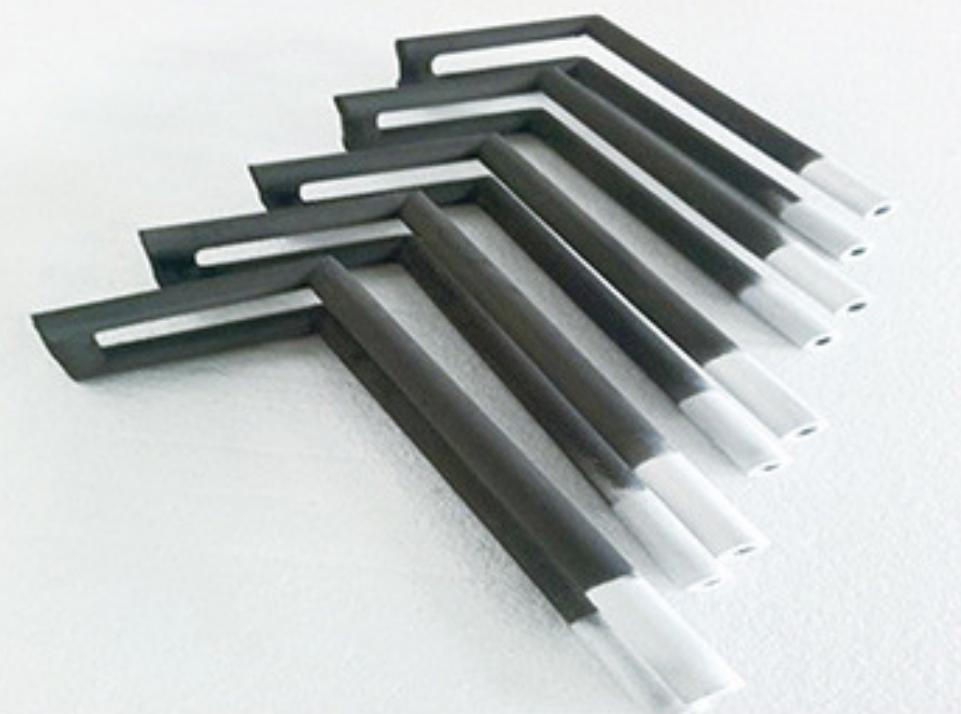
10 Silicon Carbide for Silicon Carbide Heating Elements
Silicon carbide heating elements are rod-shaped or tubular non-metallic high-temperature heating elements. They are mainly manufactured using high-purity green hexagonal silicon carbide as the primary raw material.
After batching and forming, the material undergoes siliconizing and recrystallization sintering at approximately 2200°C.
Under oxidizing atmospheres, the normal operating temperature can reach up to 1450°C, depending on the specific product design and operating conditions. Silicon carbide heating elements offer good high-temperature stability, corrosion resistance, and wear resistance.
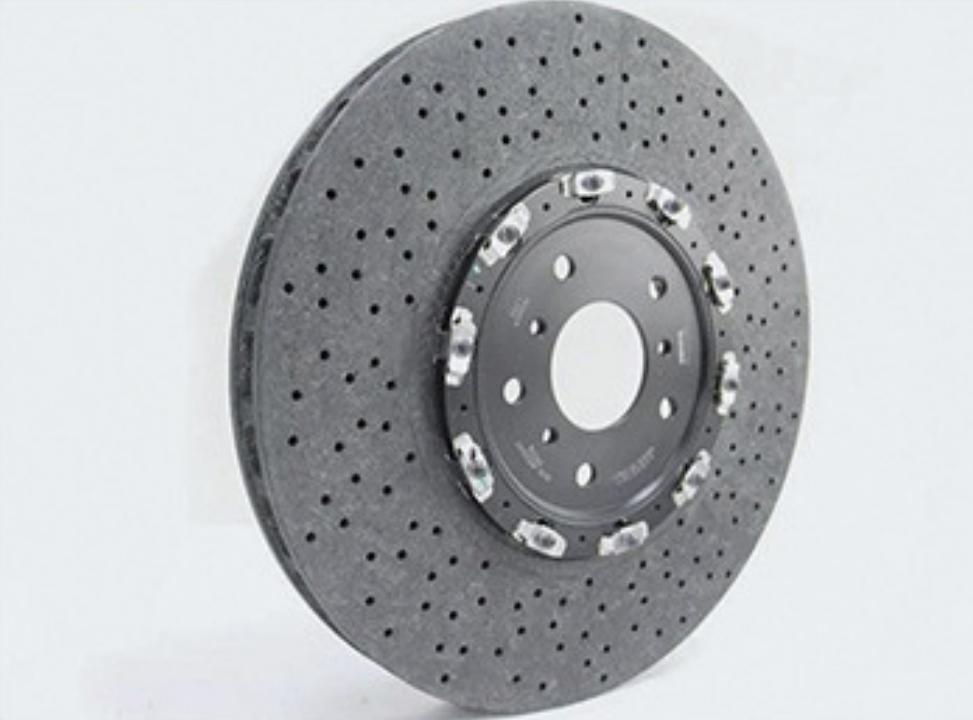
11 Silicon Carbide for Carbon Ceramic Brake Components
XINLI Abrasives silicon carbide micropowder features high purity and high hardness, making it a suitable raw material for carbon ceramic brake components.
Carbon ceramic braking materials offer excellent high-temperature resistance, high strength, oxidation resistance, corrosion resistance, and impact resistance. Compared with conventional metal brake components, carbon ceramic brake systems can offer advantages such as longer service life, strong braking performance under high-temperature conditions, and reduced weight.
The specific service life, weight reduction, and braking performance depend on the material system, component design, and actual operating conditions.
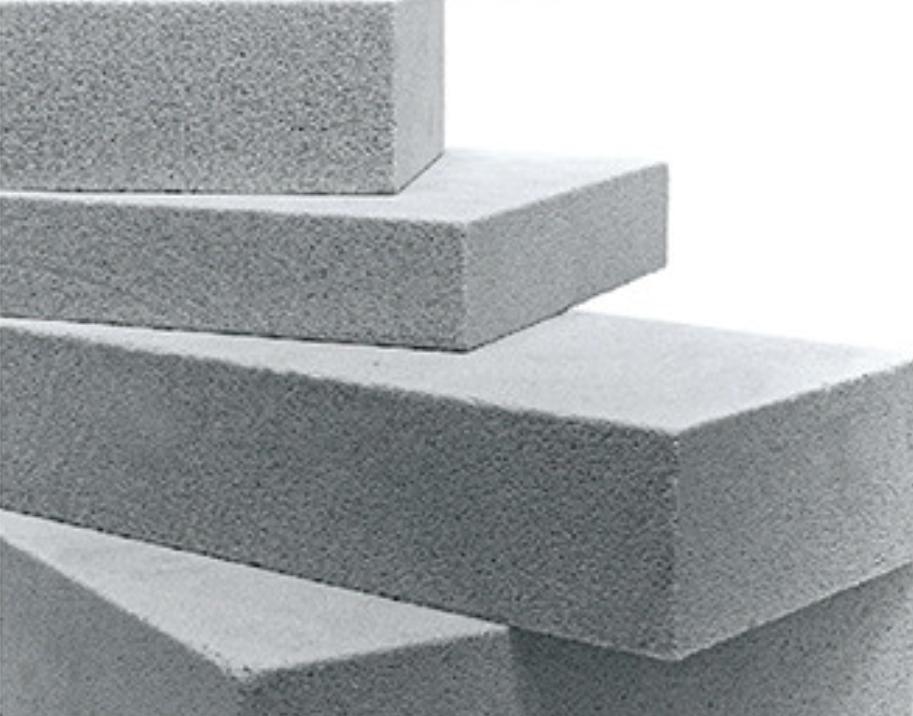
12 Silicon Carbide for Foamed Ceramics
Foamed ceramic insulation boards are generally produced using materials such as clay tailings, ceramic waste, and other mineral raw materials. Silicon carbide can be added to certain formulations as a foaming agent. After high-temperature firing, a closed-cell ceramic material with high porosity is formed.
XINLI Abrasives silicon carbide micropowder for foamed ceramics features uniform color and a well-controlled particle size distribution. It can be used in different product formulations and manufacturing processes.
A typical addition level may be 0.3%–0.5%, depending on the formulation and process requirements. Proper formulation can help achieve a uniform pore structure and good air permeability.
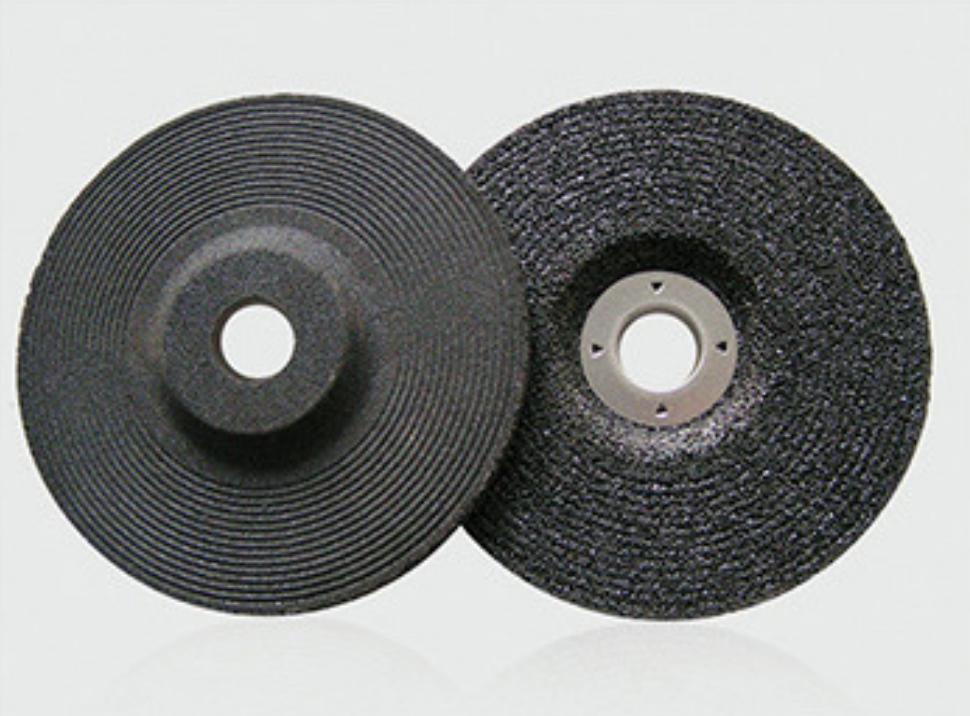
13 Silicon Carbide for Bonded Abrasives
Silicon carbide for bonded abrasives is available in a wide range of macro grit and micropowder sizes, including black and green silicon carbide.
The raw materials are produced in high-power resistance furnaces to ensure stable quality and high purity. Available processing equipment includes jet mills, shaping machines, dry and wet ball mills, and Raymond mills.
Production processes can be customized according to customer requirements to achieve suitable particle morphology, low impurity levels, and minimal dust. Ultrasonic screening and water washing can also be used to reduce the risk of contamination from unwanted particles and dust.
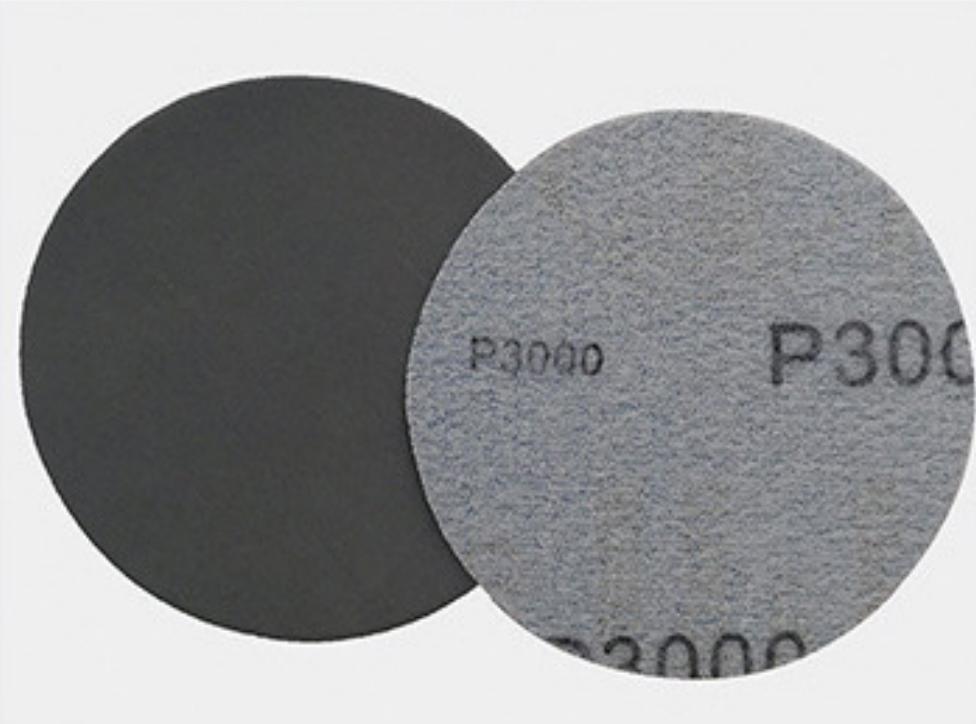
14 Silicon Carbide for Grinding and Polishing
Silicon carbide has high hardness, excellent thermal conductivity, and good electrical conductivity. It also offers good oxidation resistance at elevated temperatures.
It is widely used in grinding and polishing applications, including glass polishing, stainless steel polishing, jade and gemstone processing, steel processing, electronics, molds and castings, refractory materials, aerospace applications, construction and road building, denim sandblasting, beauty tools, hardware grinding, and the manufacture of ceramic grinding blocks, abrasive tools, and grinding wheels.
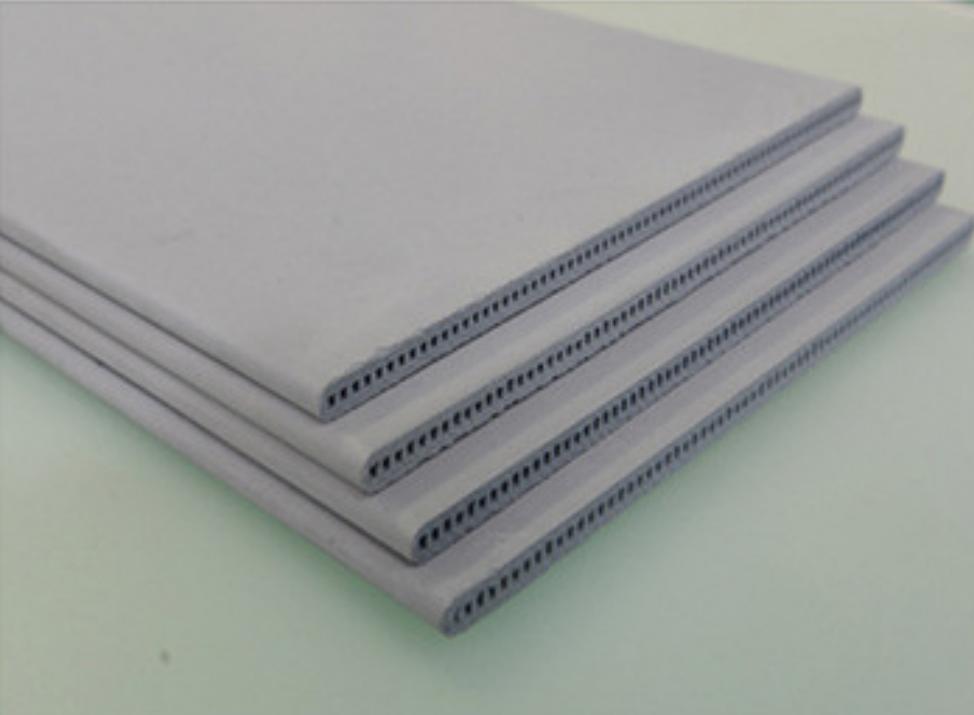
15 Silicon Carbide for Ceramic Membranes
Silicon carbide ceramics are considered a promising high-performance material for membrane filtration applications. Silicon carbide can be used in the support layers and filtration layers of ceramic membrane systems, which are typically produced through high-temperature sintering.
Silicon carbide offers excellent acid and alkali resistance, high-temperature resistance, mechanical strength, and chemical stability. These properties can contribute to good filtration performance, fouling resistance, and structural durability.
Silicon carbide ceramic membranes can be used in demanding filtration and separation applications. Their actual flux, filtration efficiency, and service life depend on membrane pore size, structural design, feed characteristics, and operating conditions.
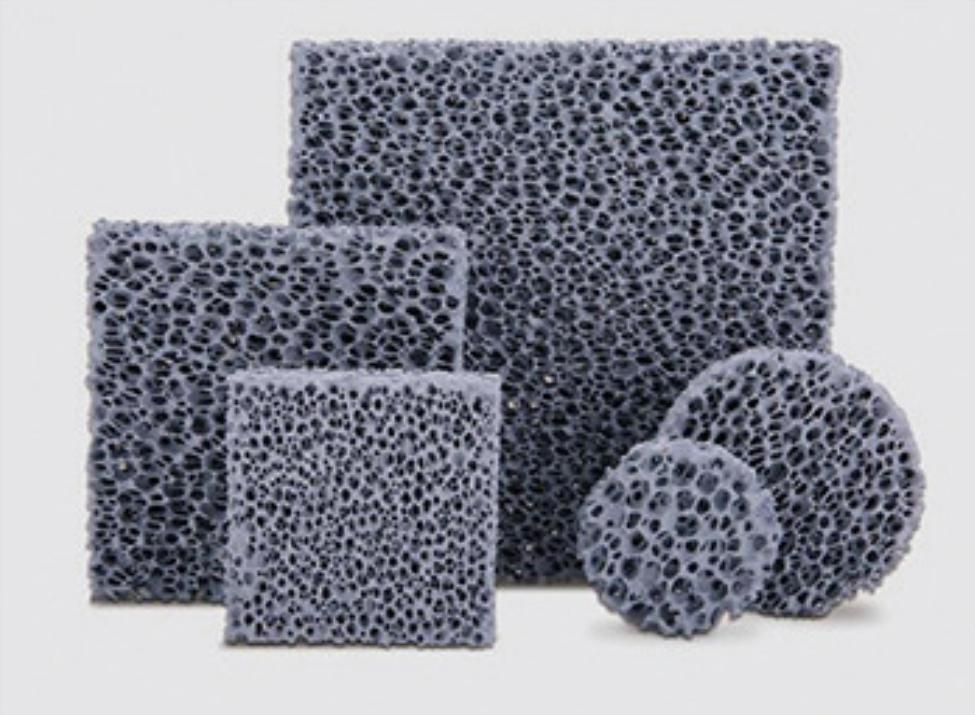
16 Silicon Carbide for Foam Ceramic Filters
Silicon carbide (SiC) foam ceramic filters offer excellent mechanical strength, resistance to thermal shock, and chemical corrosion resistance.
Depending on the product design and application conditions, they can be used in high-temperature environments of up to approximately 1500°C. They can effectively remove impurities and non-metallic inclusions from molten metals while helping improve metal flow and gas release during solidification.
Typical applications include molten metal filtration, high-temperature flue gas treatment, catalyst supports, solid heat exchangers, and specialized packing materials.
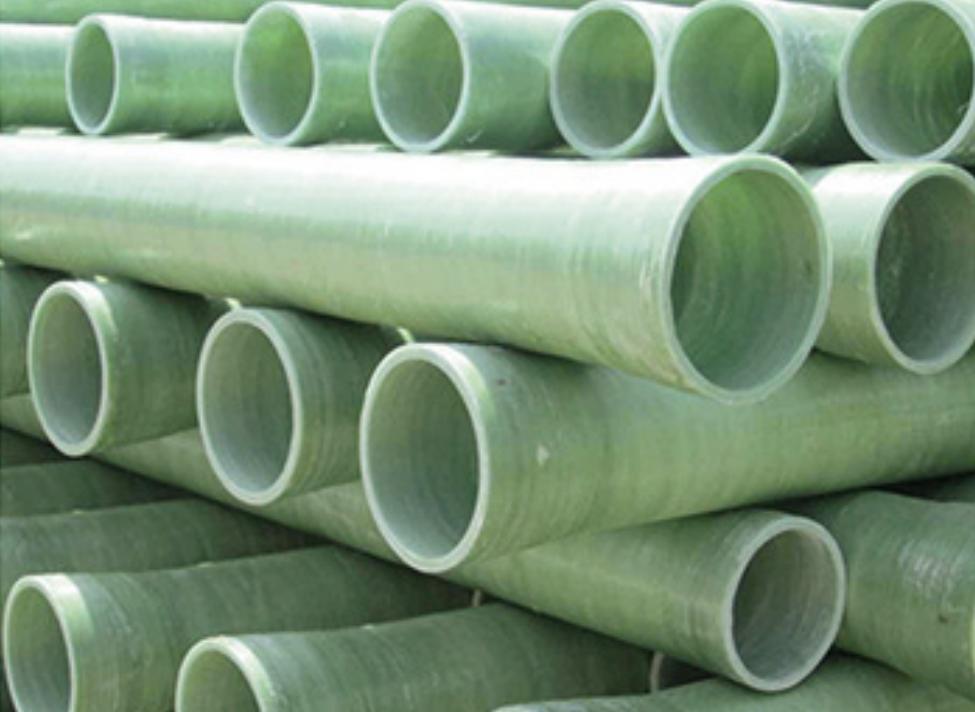
17 Silicon Carbide for FRP Applications
Silicon carbide can be used as a functional material in fiber-reinforced plastic (FRP) and composite material formulations. It offers high hardness, excellent wear resistance, chemical stability, high-temperature resistance, and good thermal conductivity.
When properly selected and incorporated into a composite formulation, silicon carbide can help improve surface hardness, wear resistance, thermal performance, and durability. The final properties depend on the resin system, silicon carbide particle size, addition level, dispersion process, and overall product design.
It can be used in selected industrial composite applications, including equipment and components designed for demanding operating environments.