
Products


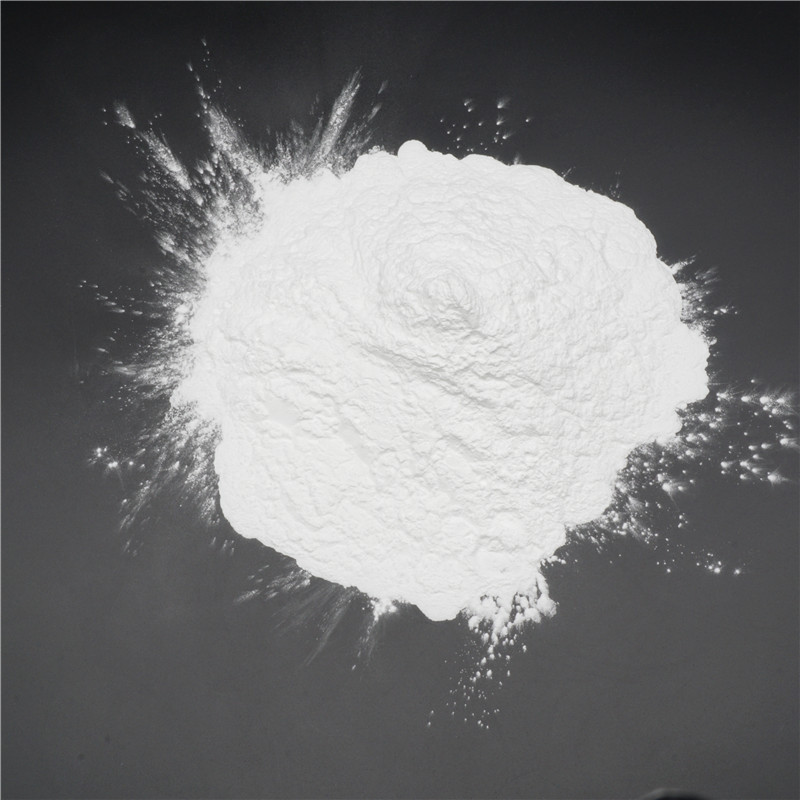
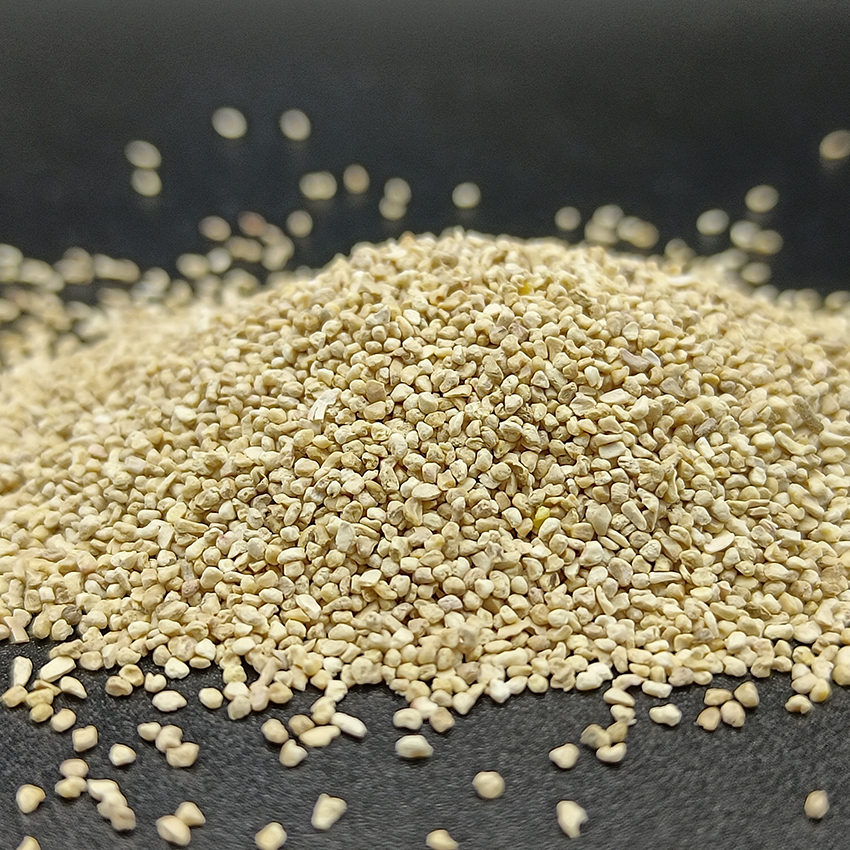
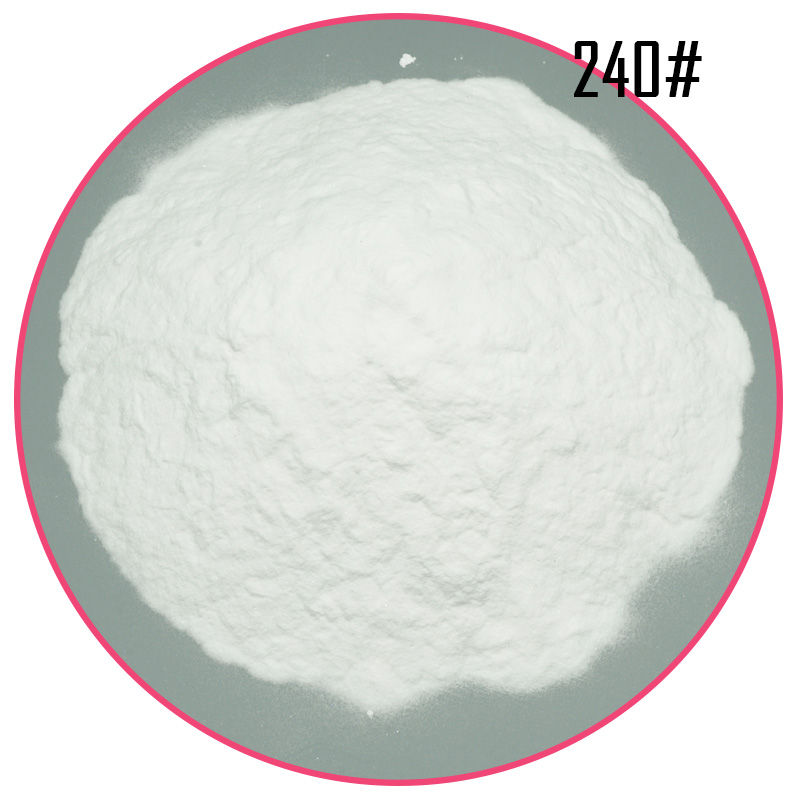
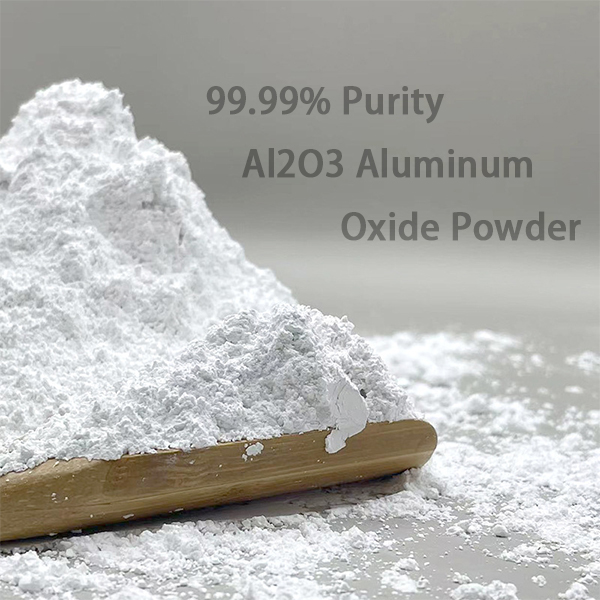
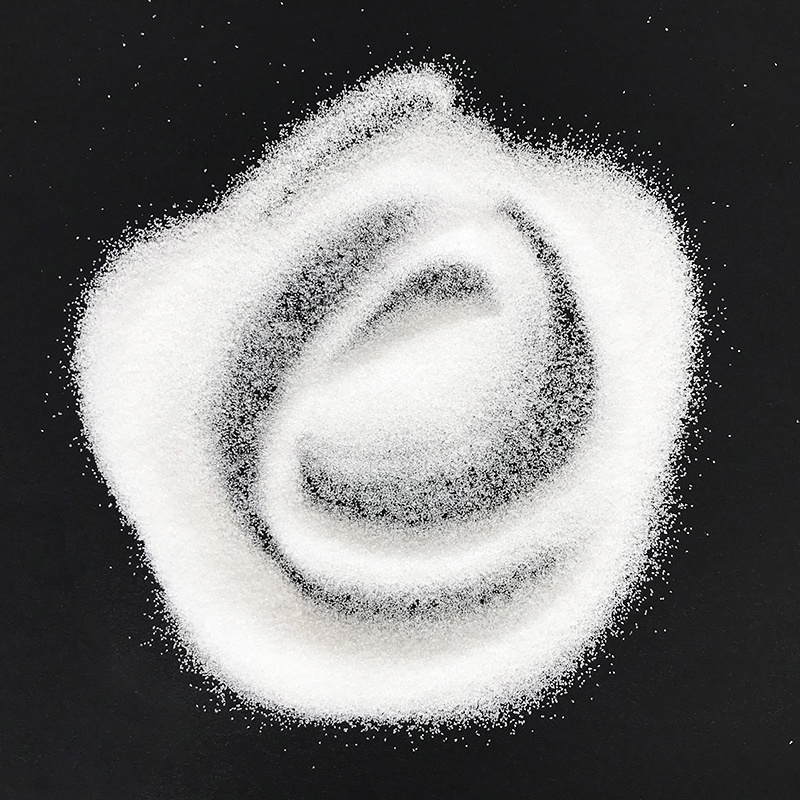
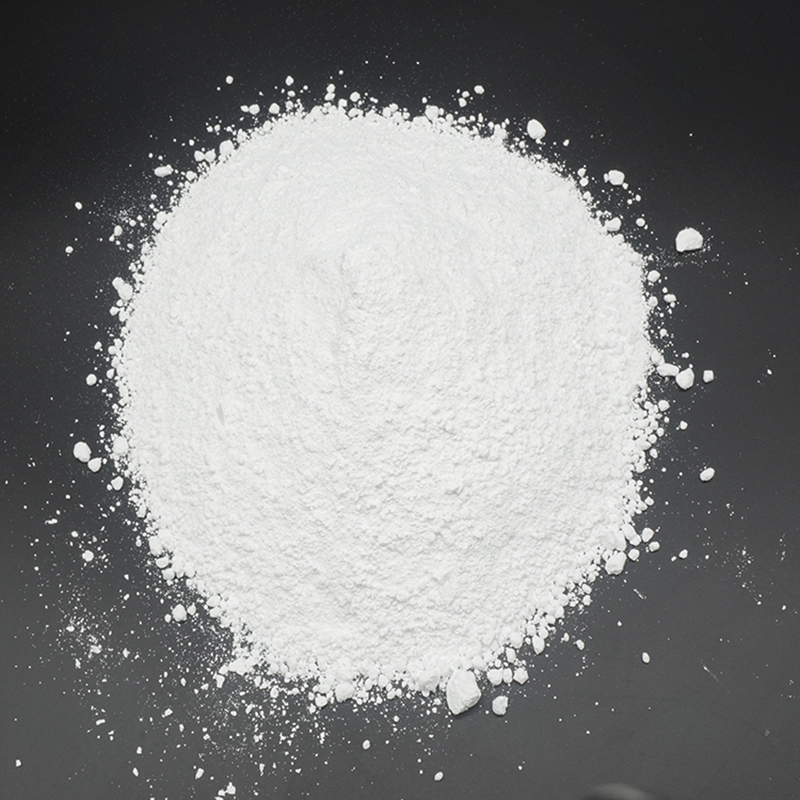
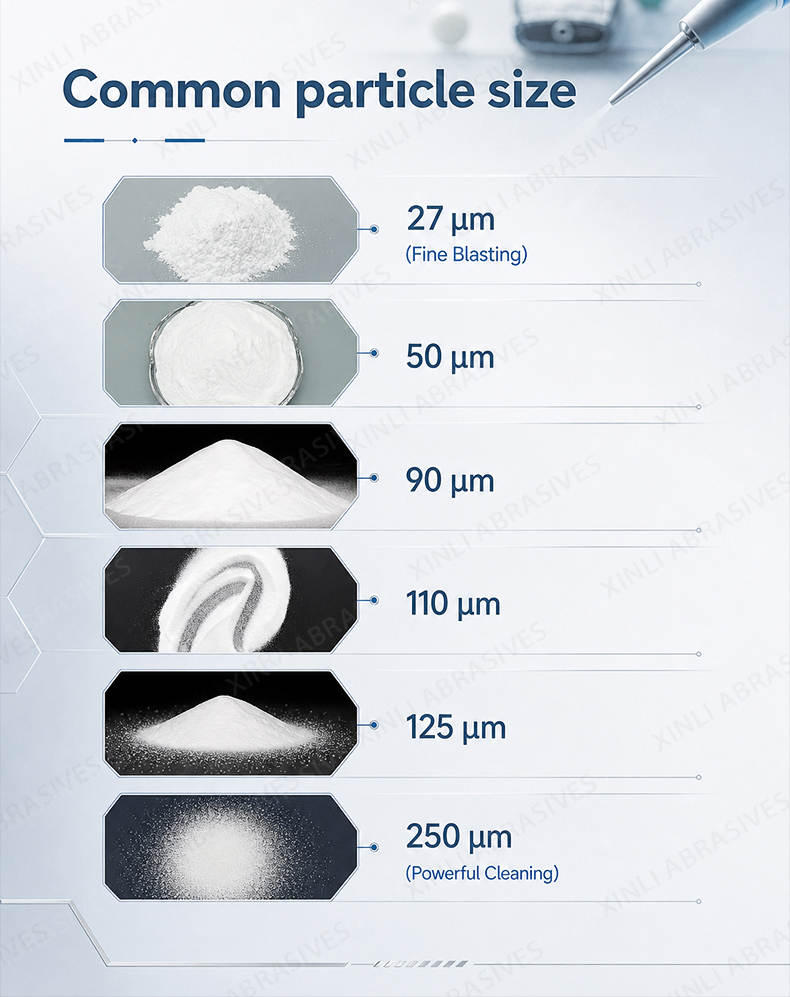
White Dental Aluminum Oxide Powder 27μm 50μm 90μm 110μm 125μm 250μm Dental Sandblasting Powder

White Dental Aluminum Oxide Powder Introduction
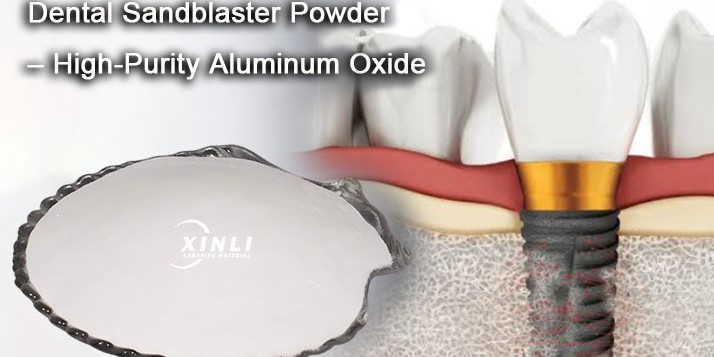
White Fused Alumina for Dental Sandblasting is specially designed for precision surface preparation in dental laboratories. Its sharp particle shape, high purity, and controlled particle size distribution ensure efficient cleaning, oxide removal, and surface roughening of zirconia, porcelain, metal crowns, bridges, implant abutments, and orthodontic components. By creating an ideal bonding surface, it significantly improves adhesive performance and restoration longevity. Available in multiple particle sizes, it is compatible with most dental sandblasting and air abrasion equipment, providing stable blasting performance with minimal dust and consistent results.
|
Chemical Position Standards:
|
||||
|
Code and Size Range
|
Chemical Composition%
|
|||
|
AI2O3
|
SiO2
|
Fe2O3
|
Na2O
|
|
|
F90-F150
|
≥99.50
|
≤0.10
|
≤0.05
|
≤0.30
|
|
F180-F220
|
≥99.50
|
≤0.10
|
≤0.05
|
≤0.30
|
|
#240-#3000
|
≥99.50
|
≤0.10
|
≤0.05
|
≤0.30
|
|
#4000-#12500
|
≥99.50
|
≤0.10
|
≤0.05
|
≤0.30
|
|
Physics Properties:
|
|
|
Color
|
White
|
|
Crystal form
|
Triangal crystal system
|
|
Mohs hardness
|
9.0-9.5
|
|
Micro hardness
|
2000-2200 kg/mm²
|
|
Melting point
|
2250
|
|
Maximum operating temperature
|
1900
|
|
True density
|
3.90 g/cm³
|
|
Bulk density
|
1.5-1.99 g/cm³
|
1. Zirconia Crowns
Zirconia restorations typically require sandblasting before bonding to increase surface roughness, improve mechanical retention, and enhance bond strength.
Functions:
Remove processing contaminants
Increase surface roughness
Improve resin cement bonding
Improve long-term stability of the restoration
Recommended particle size:
30–50 μm (most commonly used)
Working pressure: Approximately 1–2 bar
2. Metal Crowns & Bridges
Used for restorations made of cobalt-chromium, nickel-chromium, precious metals, etc., after casting.
Functions:
Remove oxide layer
Clear residual embedding material
Improve porcelain powder bonding strength
Improve bonding performance
Advantages: High cutting efficiency of white corundum; uniform surface after sandblasting, less prone to residual contamination.
3. Implant Abutments
Primarily for titanium abutments, titanium alloy abutments, and other components used in implant restorations.
Functions:
Cleans processing residues
Increases bonding area
Improves the bond strength between resin and abutment
Improves restoration stability
5. Orthodontic Brackets
Used for pretreatment before bonding metal or ceramic brackets.
Functions:
Increases surface roughness
Improves the bond strength between bracket and adhesive
Reduces the risk of detachment
Your Inquiry
If you have any questions.Please feel free to contact us.