
Performance of White Fused Alumina in Investment Casting
1. Investment Casting Shell Material
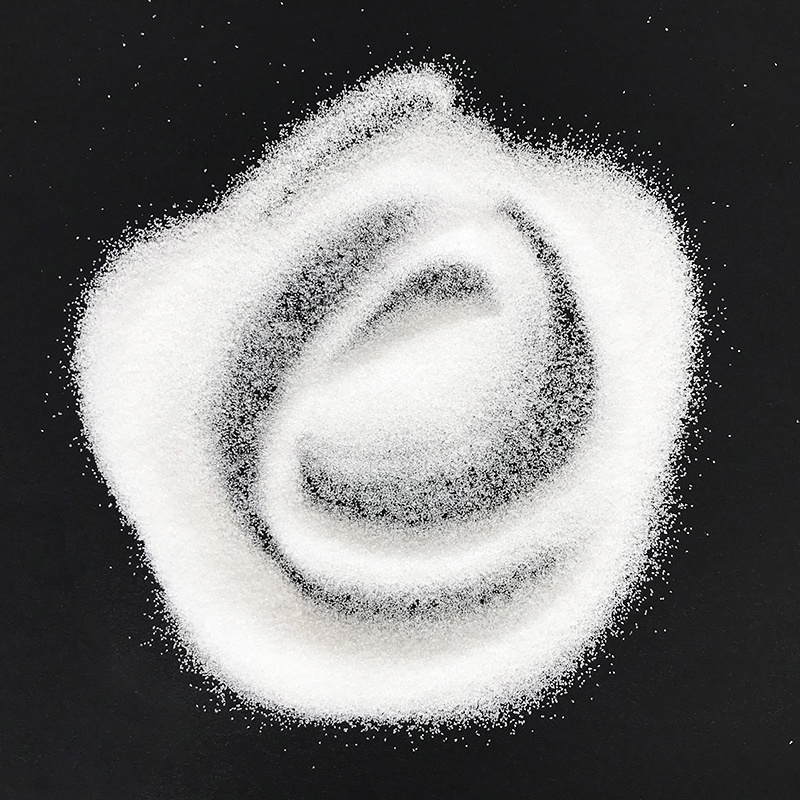
White fused alumina is produced by fusing high-quality industrial alumina at temperatures above 2000 °C. It offers exceptional purity (α-Al₂O₃ content > 99–99.6%) and a high refractoriness of 2050 °C–2100 °C, with a low thermal expansion coefficient (approx. 8×10⁻⁶/°C). These properties make it an excellent alternative to traditional zircon sand as a prime shell material for investment casting. Its high particle uniformity (grain size distribution > 95%) and good dispersion help create denser, more robust molds, significantly improving casting surface finish and dimensional accuracy while reducing defect rates.
2. Mould Reinforcement
With a Mohs hardness of 9.0 and excellent high-temperature strength retention (maintaining integrity above 1900 °C), white fused alumina extends mold service life by 30–50%. When used in molds or cores for cast iron, cast steel, or non-ferrous alloys, it effectively resists metal flow erosion and reduces the frequency of repairs and maintenance.
Advantages of White Fused Alumina
(1) High-Temperature Stability
White fused alumina offers outstanding thermochemical stability during casting operations. Its thermal expansion coefficient is about one-third that of conventional materials, helping to prevent mold cracking or casting deformation due to sudden temperature changes. Its low gas evolution (gas release < 3 ml/g) minimizes porosity and blowhole defects.
(2) Surface Finishing Quality
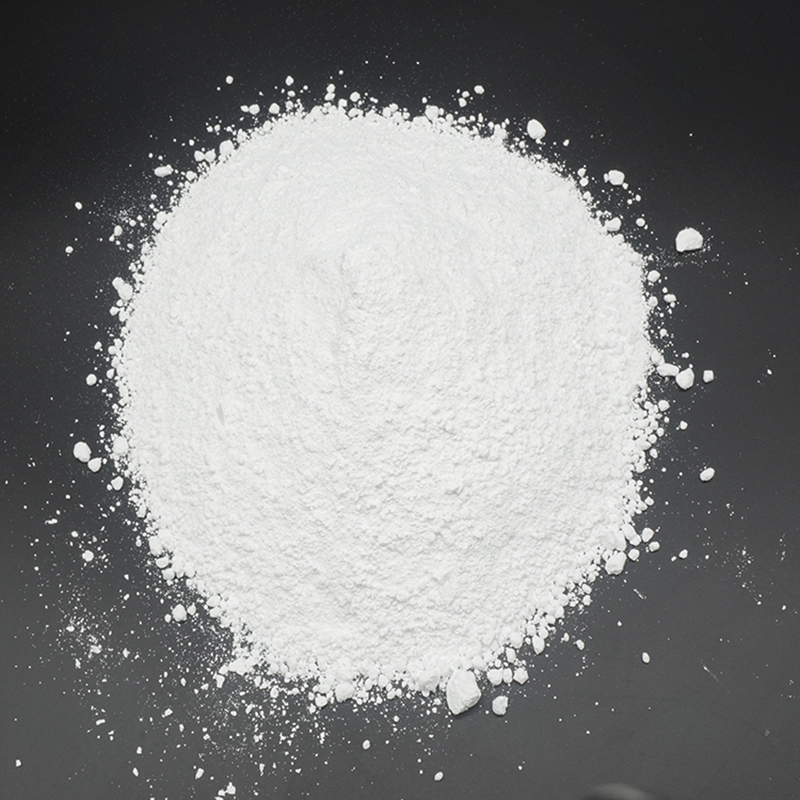
When used as a fine polishing powder (grain size 0.5–45 μm), white fused alumina delivers consistent, even abrasion that can achieve a casting surface roughness of Ra < 0.8 μm. Its self-sharpening nature (breakage rate < 5%) ensures sustained cutting efficiency and stable polishing results.
(3) Process Adaptability
We offer adjustable grain sizes ranging from F12 to F10000 to suit diverse casting processes:
Coarse grades (F12–F100): For mold release in complex structures, increasing demolding success rates by over 25%.
Fine grades (F220–F1000): For producing high-precision ceramic cores with forming tolerances as tight as ±0.1 mm.
3. Process Optimization Value
(1) Cost Efficiency
Replacing zircon sand with white fused alumina can reduce material costs by 30–40%. It also enables shell thickness to be reduced by 15–20% (typical shell thickness: 0.8–1.2 mm), shortening the shell-building cycle.
(2) Environmental Benefits
With ultra-low heavy metal content (< 0.01%), white fused alumina meets ISO 14001 environmental standards. Waste sand is 100% recyclable and can be reused in refractory production.
Proven Applications
This material has been widely adopted in high-end fields such as aerospace turbine blades and medical device precision castings. Typical cases show that it can increase product pass rates from 85% to 97%.