
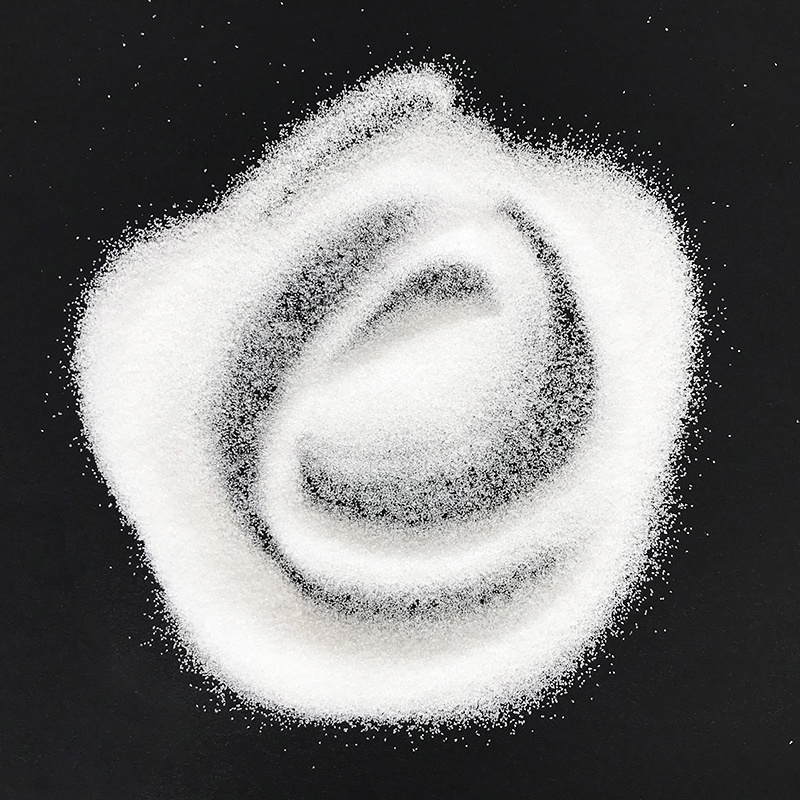
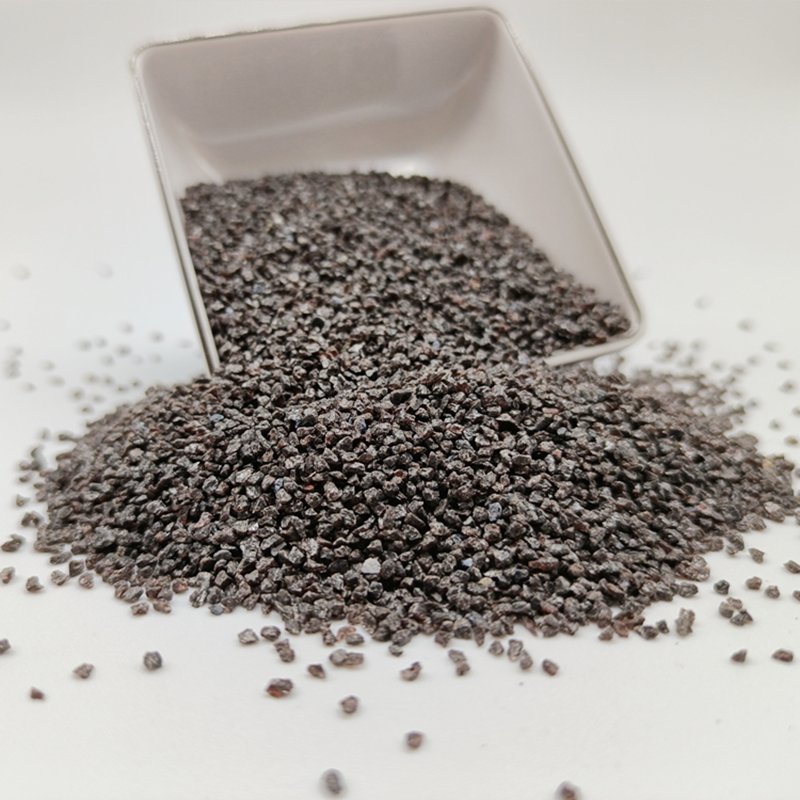
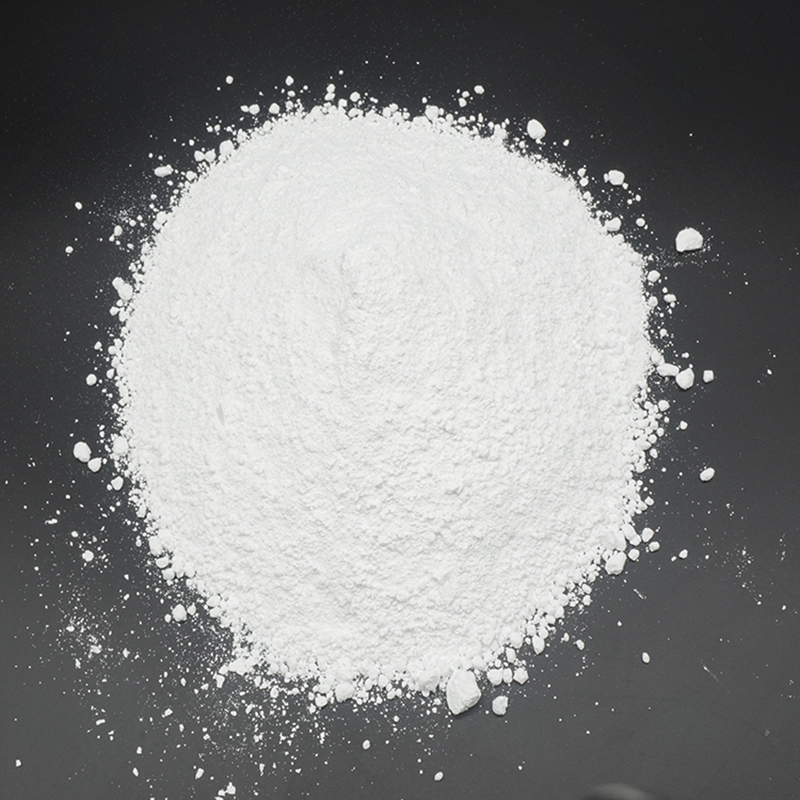
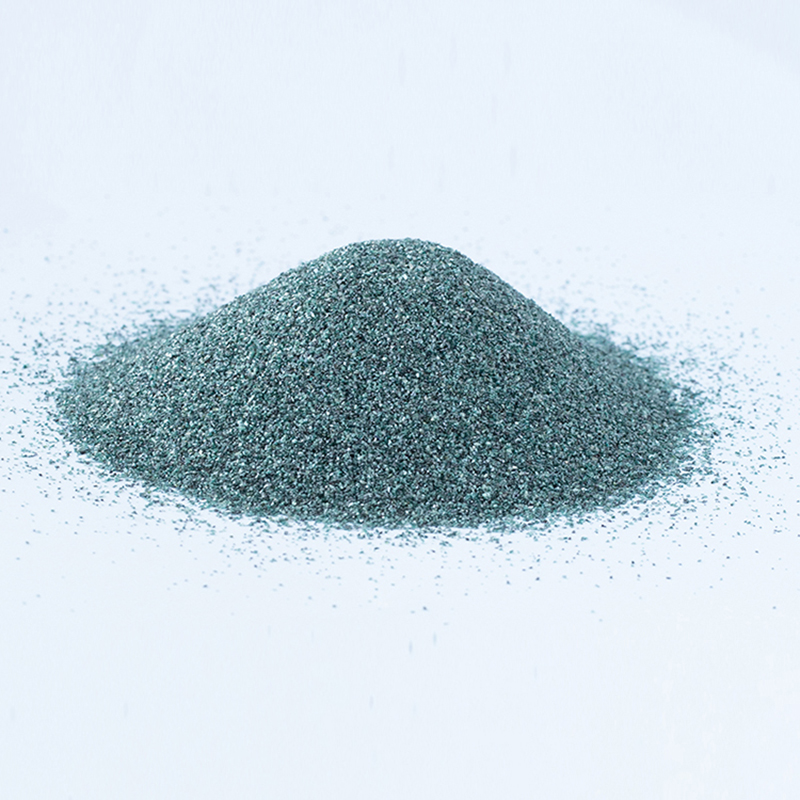
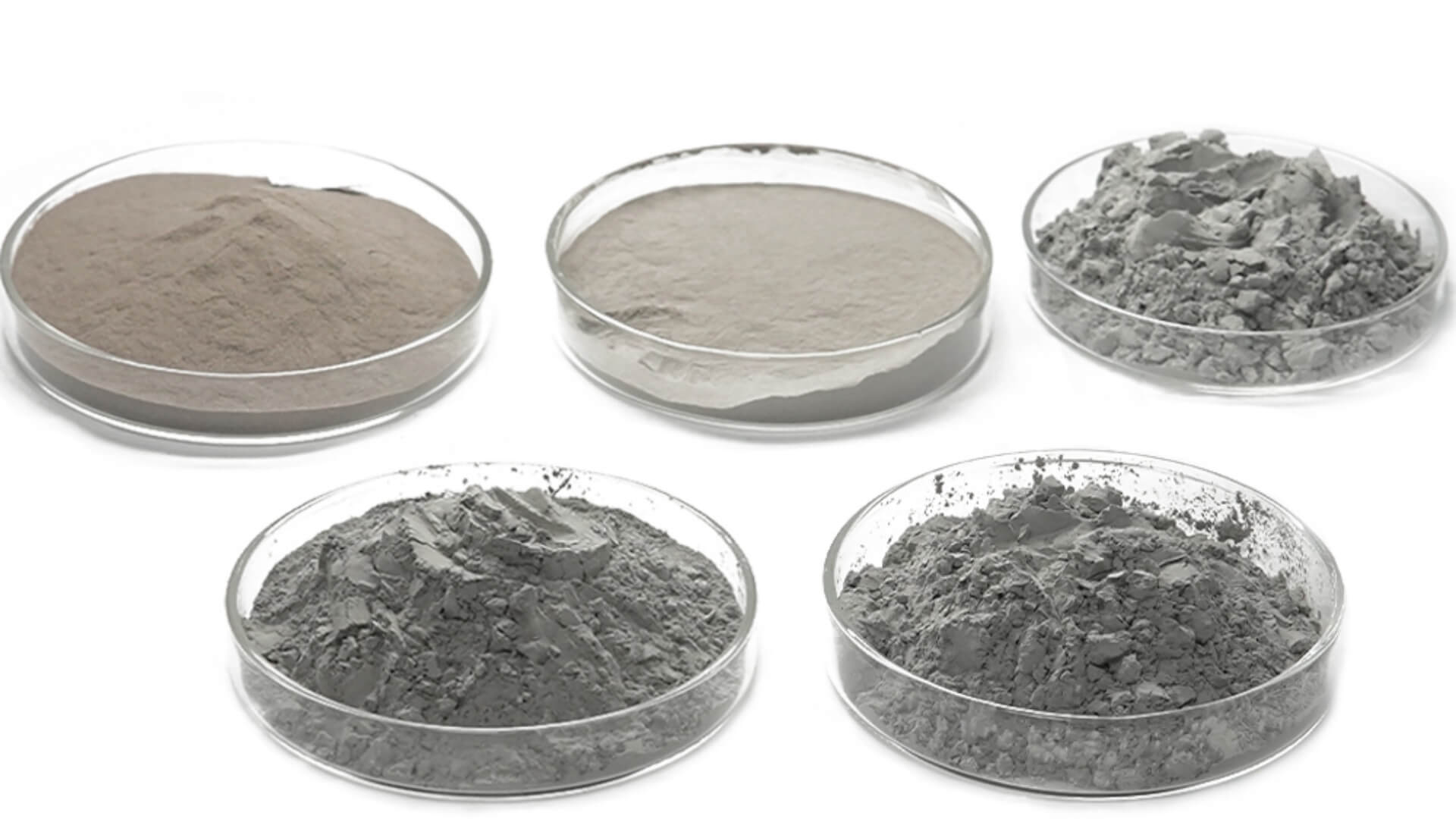
When we talk about aerospace, what comes to mind might be powerful rockets, soaring fighter jets, or astronauts spacewalking. But you might not realize that behind this cutting-edge equipment, a small brown powder plays an indispensable role – brown fused alumina micro-powder. The name might sound a bit unassuming, but don’t underestimate it. Brown fused alumina is actually a type of what we commonly call “emery,” with a hardness second only to diamond, but at a much more affordable price. In earlier years, it was mainly used for grinding metals on grinding wheels and sandpaper, acting as a workhorse in the industrial field. But this simple and unpretentious material is now making remarkable contributions on the “high-tech” stage of aerospace.
A Magnificent Transformation from “Grindstone” to “Protective Shield”
Aerospace materials prioritize “lightness” and “strength.” Wings need to be light to fly higher and farther; the fuselage needs to be strong to withstand the extreme cold at high altitudes, the intense friction when breaking the sound barrier, and the terrifying high temperatures inside the engine. This places stringent demands on the material surface. This is where brown fused alumina micro-powder comes in. Engineers discovered that by using high-speed spraying technology to “cold weld” this micro-powder onto critical parts such as turbine blades and combustion chamber walls, they could form a “ceramic armor” that is thinner than a fingernail but exceptionally strong. Despite its thinness, this protective layer extends the lifespan of the blades by several times under the scouring of 1600-degree Celsius high-temperature gas. “It’s like giving the engine’s heart a ‘bulletproof vest’,” a veteran engineer who has worked in an engine factory for twenty years explained. “Previously, the blades had to be replaced after a certain period of use, but now they can last much longer, naturally improving the reliability and economic efficiency of the aircraft.”
Ubiquitous Applications, from the Sky to the Ground
The capabilities of brown fused alumina micro-powder extend far beyond just engines.
Let’s start with aircraft. Modern passenger planes and fighter jets extensively use composite materials, such as carbon fiber. This material is both lightweight and strong, but it has a drawback: the areas where different materials are bonded together are prone to delamination. The solution? Before bonding, the joint surfaces are “roughened” using a high-pressure air-abrasive slurry containing brown fused alumina micro-powder. This isn’t just simple roughening; it creates countless anchor points at the microscopic level, allowing the adhesive to “grip” more firmly. This treatment improves the fatigue resistance of the wing-to-fuselage connection by more than 30%.
Now consider aerospace. When rockets traverse the atmosphere, the nose cone and wing leading edges undergo the ordeal of “fiery destruction.” Here, brown fused alumina micro-powder proves its worth in another way – it’s used as a core reinforcing particle in the preparation of anti-oxidation coatings. Adding it to special ceramic coatings and spraying it onto the surface of heat-resistant components, this film forms a dense oxide layer at high temperatures, effectively blocking subsequent oxygen intrusion and protecting the internal materials from ablation. Without it, many spacecraft re-entering the atmosphere would likely be “unrecognizable.”
Its presence can even be found on satellites and space stations. The bearings and moving parts of some precision instruments need to maintain long-term reliable operation in the vacuum and extremely low temperatures of space. Ceramic bearings finely polished with brown fused alumina micro-powder have an extremely low coefficient of friction and produce almost no wear debris, becoming the “reassurance” that guarantees the stable operation of these components for ten or twenty years in orbit.
“Old Material” Meets the Challenges of “New Wisdom”
Of course, using this “old material” in the extreme environments of aerospace isn’t as simple as just bringing over abrasives from a factory. There are many intricacies involved.
The biggest challenge is “purity” and “uniformity.” The brown fused alumina micro-powder required for aerospace applications must be extremely pure, almost completely free of impurities, because any unwanted component could become the starting point for cracks under high stress or high temperatures. Furthermore, the particle size and shape must be highly uniform; otherwise, the coating will have weak points. “This is like making a top-tier cake; not only do you need the best ingredients, but the flour must be sifted extremely finely and evenly,” said a materials quality control engineer. “Our screening and purification process is even more stringent than the requirements of a five-star hotel kitchen.”
Furthermore, how to “apply” this powder to the parts is also a complex science. The most advanced technology currently is supersonic flame spraying, which allows the micro-powder particles to impact the substrate at several times the speed of sound, resulting in a stronger bond and a denser coating.
The future of the skies demands this kind of “strength.”
As aerospace technology advances to higher, faster, and farther limits, the demands on materials will only become more rigorous. Hypersonic aircraft, reusable spacecraft, deep space probes… these future stars all depend on extreme protection.
The development of brown corundum micro-powder is also moving towards a more intelligent and composite direction. For example, scientists are trying to “dope” it with other elements, or combine it with new materials such as graphene. The goal is not only high-temperature resistance, but also the ability to intelligently sense damage and even self-repair at certain temperatures. The next generation of aero-engines and spaceplane thermal protection systems will likely utilize this kind of “smart” reinforced coating.
The story of brown corundum micro-powder is a microcosm of many Chinese industrial materials: born from humble origins, yet finding an irreplaceable role through continuous technological refinement. It may not be as dazzling as titanium alloys, nor as fashionable as carbon fiber, but it is this quiet, behind-the-scenes “strength” that supports humanity’s dreams of flight, breaking through the sky and soaring into the far reaches of deep space.
When we gaze at the starry sky and cheer for every successful launch, perhaps we can remember that beneath that dazzling metallic gleam, there are countless tiny, steadfast brown particles silently radiating their indispensable strength.