

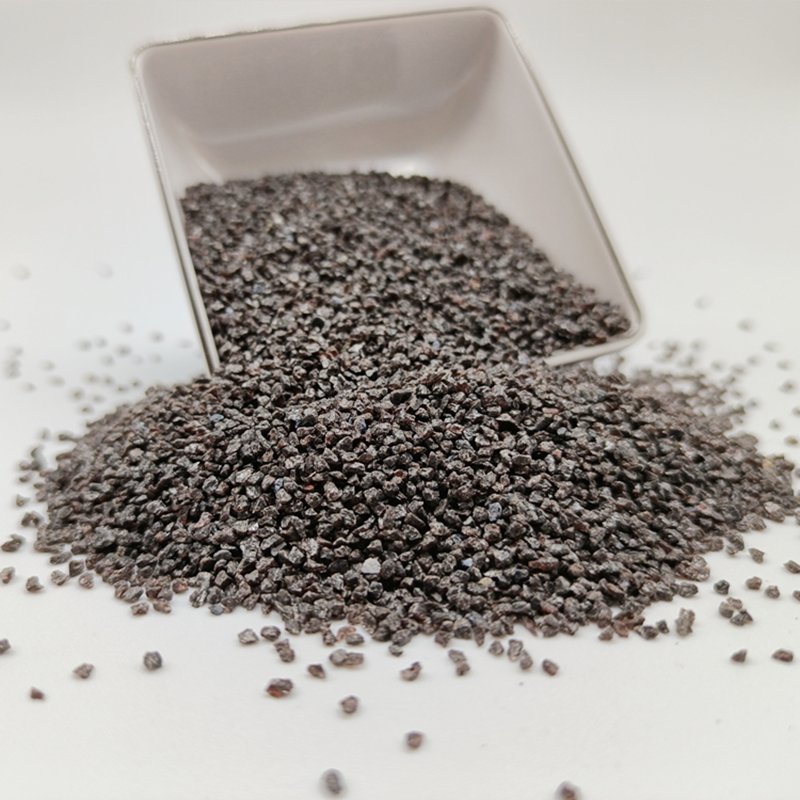
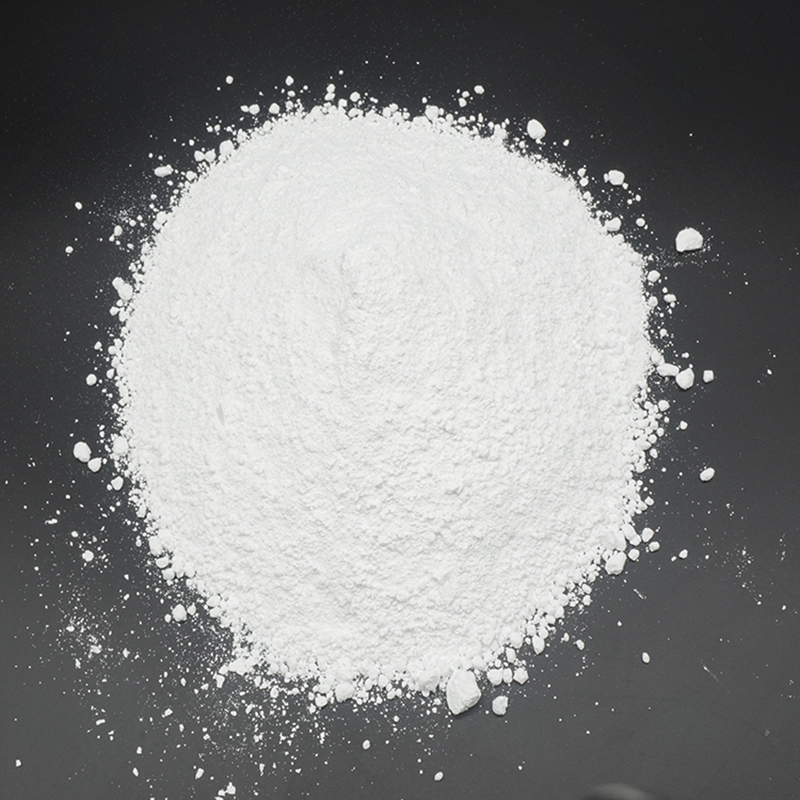
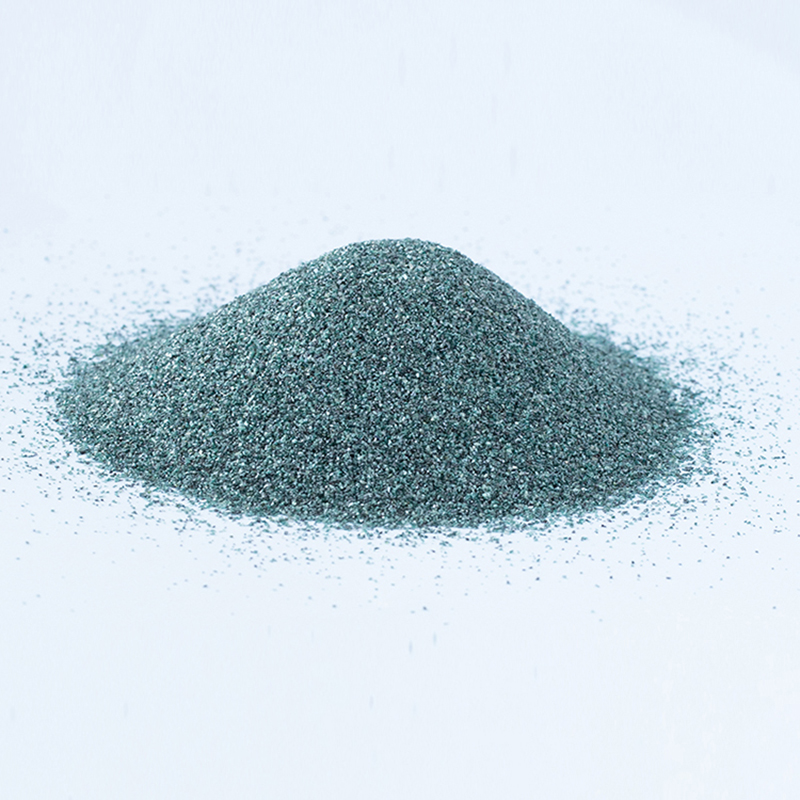
Silicon carbide (SiC) micropowder is increasingly recognized as a strategic material across high-tech manufacturing, energy systems, and advanced ceramics. With exceptional hardness, thermal conductivity, chemical stability, and wear resistance, SiC micropowder supports precision finishing, semiconductor processes, and next-generation electrical and thermal components.
What Is Silicon Carbide Micropowder? — Key Properties
Silicon carbide micropowder features:
-
High Mohs hardness (>9)
-
Wide bandgap semiconductor characteristics
-
High thermal conductivity
-
Excellent corrosion and oxidation resistance
-
Infrared transparency and optical stability
-
Low thermal expansion
-
Chemical inertness
These combined attributes make SiC a multifunctional material suitable for both abrasive and functional applications.
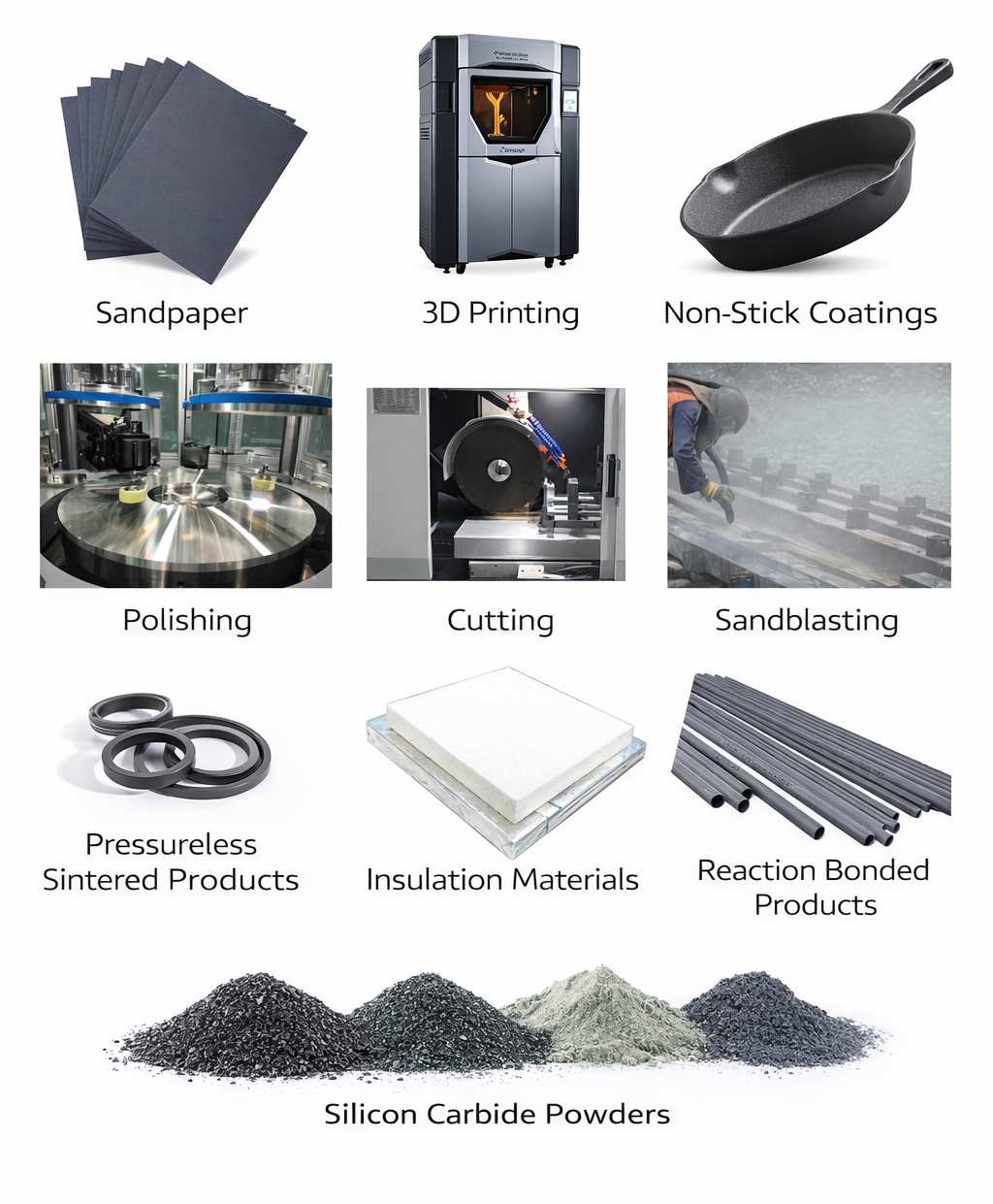
1. Abrasive & Precision Surface Finishing Applications
Historically, the largest market segment for silicon carbide micropowder has been abrasive processing. SiC offers sharper cutting edges and faster material removal rates compared with alumina abrasives.
Key uses include:
-
Grinding and cutting hard materials
-
Optical polishing (glass, sapphire, lenses)
-
Metal mold finishing
-
Semiconductor wafer planarization
-
Mirror and prism finishing
SiC micropowder enables low-defect, flat surface finishing, which is critical for advanced optics and semiconductor substrates.
2. Semiconductor & Electronics Applications
The semiconductor transition toward wide-bandgap materials has accelerated demand for SiC micropowder. In power electronics, SiC devices outperform silicon in high-voltage, high-frequency, and high-temperature environments.
Relevant applications include:
-
Wafer polishing / CMP slurries
-
SiC wafer substrate preparation
-
Dielectric and ceramic packaging
-
Thermal heat spreaders for high-power chips
Electric vehicles (EVs), photovoltaics (PV), data centers, and 5G infrastructure are major growth drivers for SiC-related materials.
3. Advanced Ceramics & Refractory Materials
SiC micropowder functions as a reinforcing phase in high-performance ceramic formulations thanks to its strength and thermal resistance.
Typical markets include:
-
Kiln furniture & crucibles
-
Burner nozzles
-
Wear-resistant components
-
Turbine and aerospace parts
-
Bearing and pump components
Industries such as metallurgy, aerospace, and energy demand materials that retain strength above 1400°C and resist chemical erosion—properties strongly aligned with SiC ceramics.
4. Battery, Fuel Cell & Energy Storage Applications
Emerging clean energy technologies are creating new opportunities for silicon carbide micropowder.
Examples include:
-
Battery conductive additives
-
Composite anode materials
-
High-temperature fuel cell ceramics
-
Thermal exchange and management systems
As EV adoption accelerates, the interface between semiconductor-grade SiC and energy storage systems will continue to expand.
5. Additive Manufacturing & Composite Materials
SiC micropowder now plays a role in additive manufacturing (AM), especially for ceramic 3D printing and metal matrix composites.
Benefits include:
-
Enhanced mechanical strength
-
Lower weight with increased rigidity
-
High wear and oxidation resistance
These materials serve aerospace, defense, and automotive applications where lightweight durability is crucial.
6. Optical & Infrared Functional Applications
SiC possesses favorable optical properties in infrared wavelengths, enabling use in:
-
IR windows
-
Space-grade thermal components
-
Sensors and detectors
-
Protective coatings
These markets require materials capable of surviving thermal shock and space radiation.
7. Environmental & Chemical Engineering Applications
Due to its chemical inertness, SiC micropowder also supports industrial fluid filtration and chemical processing systems.
Examples include:
-
Ceramic filtration membranes
-
Catalyst carriers
-
Corrosion-resistant valves and seals
-
Industrial wastewater technology
SiC ceramic membranes are considered promising in high-load filtration systems due to lower fouling and longer shelf life.
Market Outlook & Future Trends
The silicon carbide industry is expected to grow significantly through the next decade, driven by:
-
Electric vehicle semiconductor adoption
-
Renewable energy & power electronics
-
Precision optics & wafer manufacturing
-
High-performance ceramics
-
Lightweight materials for aerospace
Analysts forecast stronger demand for ultra-fine, spherical, and ultra-high-purity micropowders as high-end applications scale.
Conclusion
From legacy abrasive applications to next-generation semiconductor and energy technologies, silicon carbide micropowder is evolving into a critical enabling material for modern industrial innovation. As industries pursue higher efficiency, precision, and durability, the role of SiC micropowder will expand in both established and emerging sectors.