
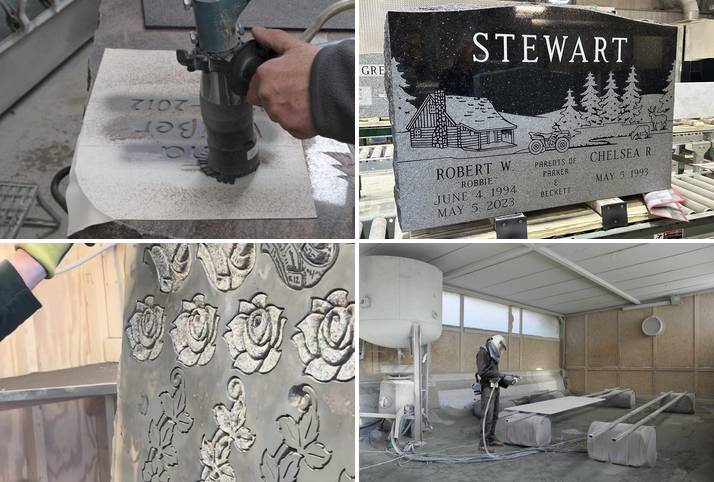
Granite headstone engraving is widely used in memorial production to create names, dates, inscriptions, symbols and decorative artwork. Among the available techniques, abrasive sandblasting has become an established method for processing polished granite surfaces, offering controlled material removal and clear visual contrast.
How Sandblasting Engraves Granite
In monument engraving, compressed air carries abrasive particles through a blasting nozzle toward the granite surface. A stencil or masking layer is applied to the stone before blasting, leaving selected areas exposed.
When the abrasive strikes the exposed granite, it gradually removes the polished surface. The depth and appearance of the engraving can be controlled by adjusting factors such as:
- Abrasive type and grit size
- Air pressure
- Nozzle distance
- Blasting angle
- Exposure time
- Stencil design and thickness
This process allows manufacturers to produce both relatively shallow surface designs and deeper lettering or symbols.
Sandblast Etching and Deep Engraving
Different engraving requirements call for different blasting conditions.
Sandblast etching is commonly used for decorative scenes, portraits and artistic patterns. The abrasive removes part of the polished surface and creates variations in texture and reflectivity. By controlling blasting pressure and abrasive exposure, different levels of contrast can be produced.
For traditional monument engraving, the abrasive is used to cut deeper into the granite. This method is commonly applied to names, dates, inscriptions, emblems and other designs where a more pronounced engraved effect is required.
The distinction is important because shallow etching and deep engraving are not simply different depths of the same process. They are selected according to the design, required contrast, level of detail and final appearance of the memorial.
The Role of Abrasives in Granite Engraving
The abrasive is one of the key process variables in sandblasting. Particle hardness, grain size, particle distribution and consistency all affect the cutting behavior and surface finish.
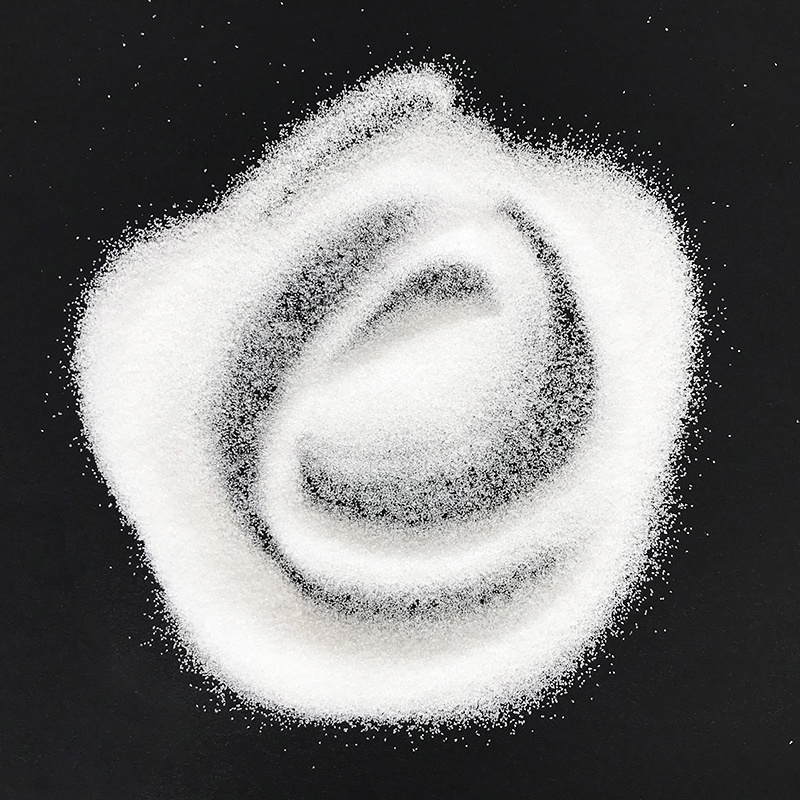
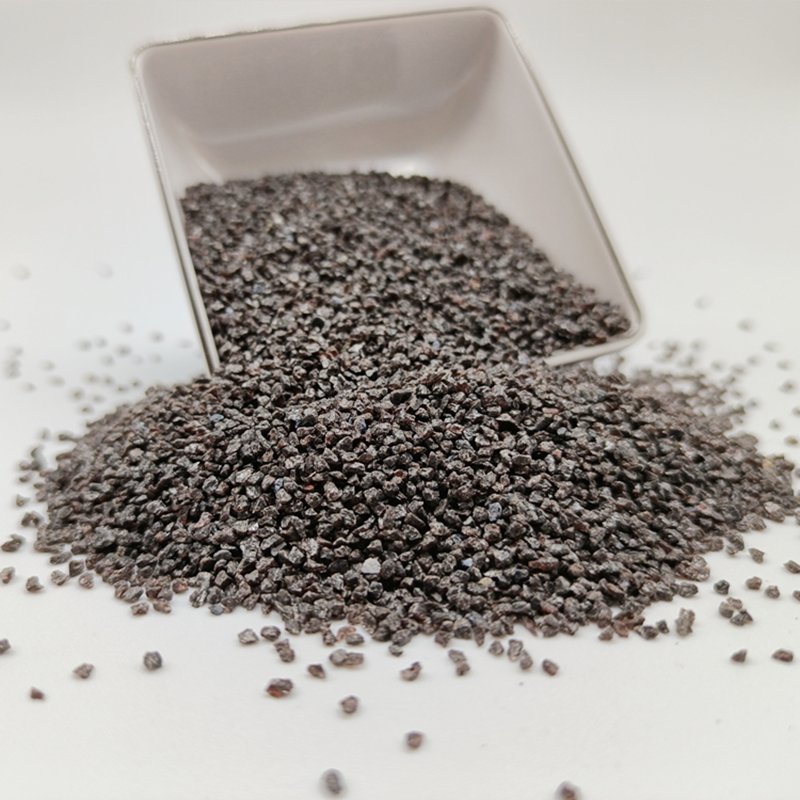
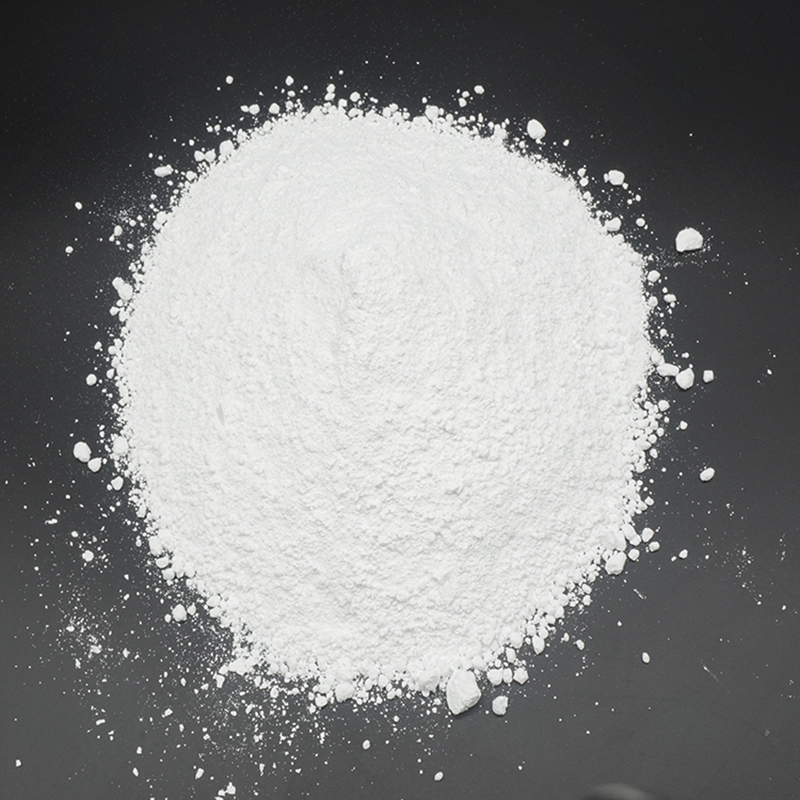
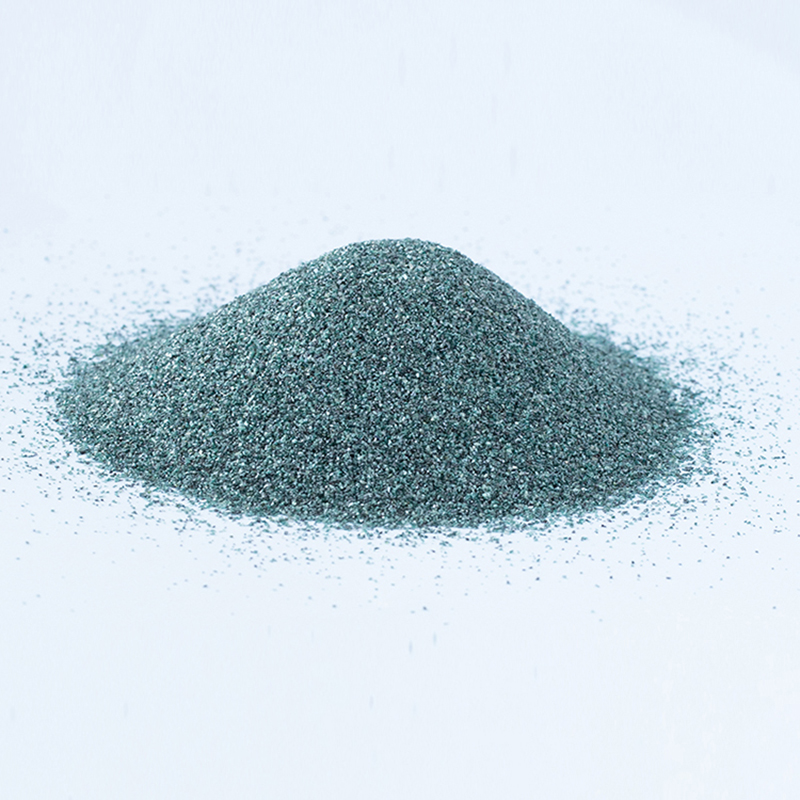
For granite engraving, silicon carbide and aluminum oxide abrasives can be considered depending on the equipment, engraving depth and desired surface effect. Different grit sizes can provide different material-removal rates and surface textures.
Abrasive selection should therefore be matched with the specific engraving process rather than based solely on abrasive hardness.
Sandblasting vs. Impact Etching
Sandblasting is not the only technology used for memorial artwork.
Impact etching uses a diamond-tipped tool to create numerous small impact points on the polished granite surface. Because the marks can be positioned very precisely, this method is suitable for highly detailed images and photographic-style artwork.
The two processes produce different surface characteristics:
| Method | Main Principle | Typical Applications |
|---|---|---|
| Sandblast etching | Abrasive removes the polished surface | Scenes, decorative artwork, contrast effects |
| Deep sandblasting | Abrasive removes granite to greater depth | Names, dates, lettering, emblems |
| Impact etching | Diamond tool creates fine impact points | Portraits, photographs, detailed artwork |
For this reason, monument manufacturers generally select the engraving method according to the design complexity, required depth and desired visual effect.
Why Process Control Matters
Consistent results in granite engraving depend on more than the abrasive itself. Stencil quality, air pressure, nozzle selection, blasting distance and operator control all influence the final appearance.
For abrasive suppliers, consistency in grit size, particle distribution, hardness and cleanliness is particularly important. Stable abrasive characteristics help maintain predictable cutting performance and reduce variations between batches.
As memorial engraving continues to combine traditional craftsmanship with controlled abrasive processing, sandblasting remains an important technique for producing durable lettering, symbols and decorative designs on granite headstones.