
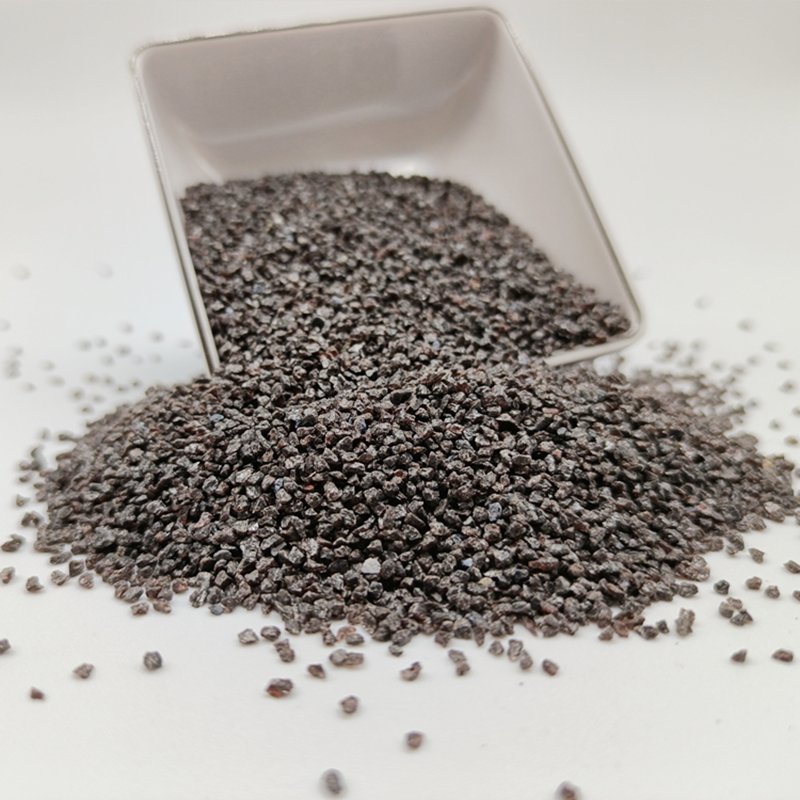

The bauxite market has been relatively flat since weakening in the second half of last year. After December, snowfall in northern regions increased restrictions on mining activities. Coupled with stricter environmental controls during the heating season, domestic ore supply was generally tight in December. Mining and reserve capacity in Shanxi and Henan provinces are relatively weak, and ore production is expected to remain limited in the month following New Year’s Day.
While ore supply in Guangxi and Guizhou provinces is slightly better than in the north, it is still insufficient to fully meet the production needs of downstream alumina companies. Notably, some alumina companies in Guizhou have started using imported ore since last year to alleviate raw material pressure.
Currently, domestic ore supply remains low, leading to significant cost pressure on alumina companies, prompting some companies to adjust ore procurement prices starting in January. Since 2026, domestic ore prices have shown a downward trend, but the decline has been relatively gradual. Further developments will depend on policy changes after the Spring Festival and whether suspended mines resume production. Ore price trends will remain closely linked to downstream market conditions.
Regarding imported ore, previously suspended mining companies in Guinea have gradually resumed operations, and their production and shipping capacity are stabilizing, with increased supply expected in the future. Supply capacity in Turkey and Sierra Leone is also increasing. Looking back at last year, China had an oversupply of approximately 20 million tons of imported ore. Currently, Guinean ore prices have fallen, dropping below $70/ton after New Year’s Day. Australia is about to enter its rainy season, which may affect its mine production; the increased supply from Guinea may compensate for any potential reduction from Australia.
Overall, barring unforeseen circumstances before the Spring Festival, bauxite prices are expected to remain weak but stable. Further developments will depend on supply and demand dynamics and changes in downstream market prices.
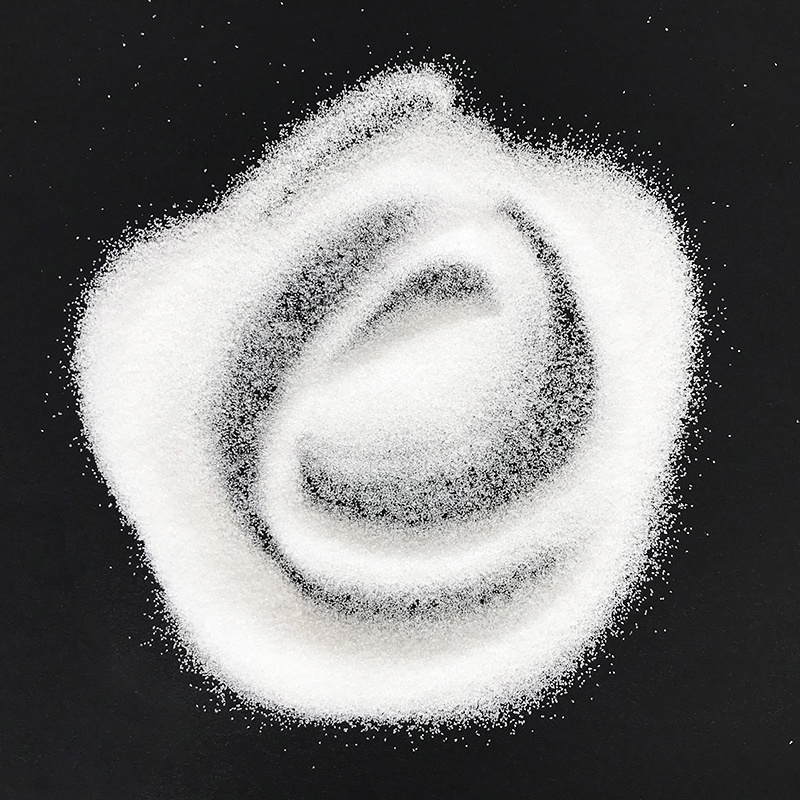
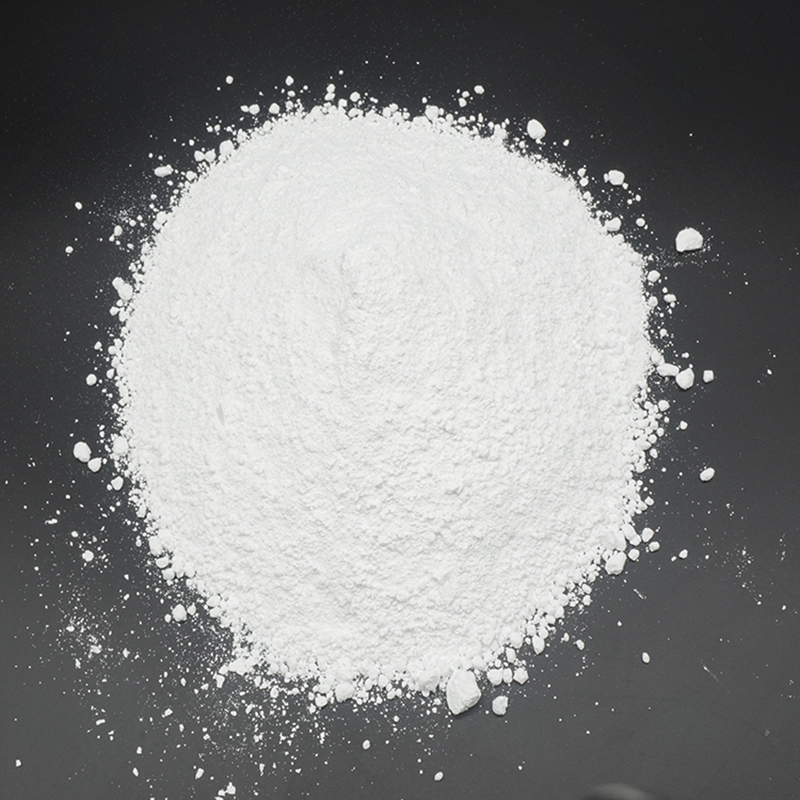
The alumina market recently shows characteristics of “futures driving spot prices, with divergent trends between futures and spot markets.” Although rising futures prices boosted the sentiment of holders, the fundamentals of the spot market remained weak: market supply remained abundant, and electrolytic aluminum companies, having sufficient inventory from previous stockpiling, showed weak purchasing intentions. This led to a stalemate where “sellers tentatively raised prices, but buyers were reluctant to accept,” resulting in generally low liquidity and downward pressure on prices.
From a supply and demand perspective, the current surplus situation remains unchanged. Despite frequent production changes in December last year, the impact on total monthly output was limited and failed to reverse the loose supply situation. The market is generally in a tug-of-war between “positive macroeconomic factors and negative fundamental realities,” lacking a single driving force for price movement, thus maintaining a volatile but stable trend.
Looking ahead, there are still plans for new capacity additions in China in 2026, with some capacity expected to come online in the first and second quarters, further exacerbating supply pressure, and potentially leading to downward pressure on prices. In addition, new capacity has recently been released overseas, and the global alumina market is showing a surplus of supply over demand. Recent imports of alumina have been considerable, putting pressure on domestic prices, and import volumes are expected to remain high in January.
On the demand side, although some new capacity has been released in the electrolytic aluminum market, the increase is insufficient to absorb the current supply pressure of alumina, making it difficult to provide strong support for prices.
In 2025, the silicon carbide market is expected to progress steadily with the development of the manufacturing industry, but the industry shows significant structural differentiation. As a traditional abrasive material, its market performance is closely linked to downstream demand. The black silicon carbide market is under considerable pressure, dragged down by the sluggish real estate market and weak demand from industries such as refractories and steel. Companies are facing operational difficulties, with widespread production suspensions and reductions, resulting in low industry operating rates. Annual production is expected to be around 400,000-500,000 tons.
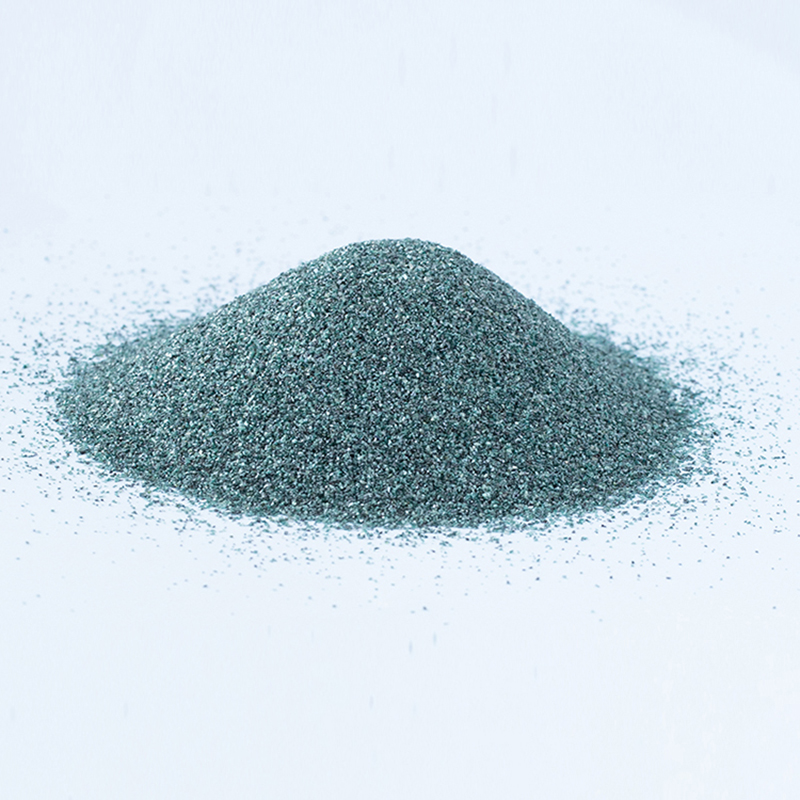
The green silicon carbide market is performing steadily. It is mainly used in abrasives and engineering ceramics, with capacity consistently maintained at around 100,000 tons. Supply, demand, and prices have remained stable for the past seven or eight years, becoming an important support for the industry. From a cost perspective, the price of green silicon carbide raw materials has only fluctuated slightly by 50-100 yuan/ton. However, due to the combined effects of differentiated demand and cost factors, the overall profit level of the industry remains low. In terms of exports: Exports of silicon carbide as a general abrasive material have declined significantly by approximately 40% due to the impact of the international market, while exports of silicon carbide products for high-end applications such as photovoltaics and semiconductors have performed relatively well.
The main bottleneck currently facing the industry is the lack of high-end manufacturing capabilities. Domestic production capacity and technology in electronic-grade silicon carbide still have significant shortcomings. Looking ahead to 2026, the industry needs to actively seek transformation, promoting technological upgrades through strengthened cooperation with universities and research institutions, and focusing on developing high-precision, specialized, and high-value-added differentiated products to enhance competitiveness and profitability. Industry associations can also guide companies to adjust their strategies through inspections and discussions, jointly promoting the optimization and upgrading of the industrial structure.