

Unveiling the Science Behind Cerium Oxide: How It Achieves Atomic-Level Surface Perfection
In the modern precision manufacturing sector, achieving ultra-smooth glass surfaces is fundamental to ensuring optimal optical performance. At the heart of this process is cerium oxide (CeO₂) polishing powder[1], an irreplaceable core material for high-end glass polishing, prized for its unique properties. Its significance lies not only in its superior polishing efficiency but also in its capability to achieve nanoscale surface precision, catering to stringent technical requirements from ordinary flat glass to aerospace optical lenses.
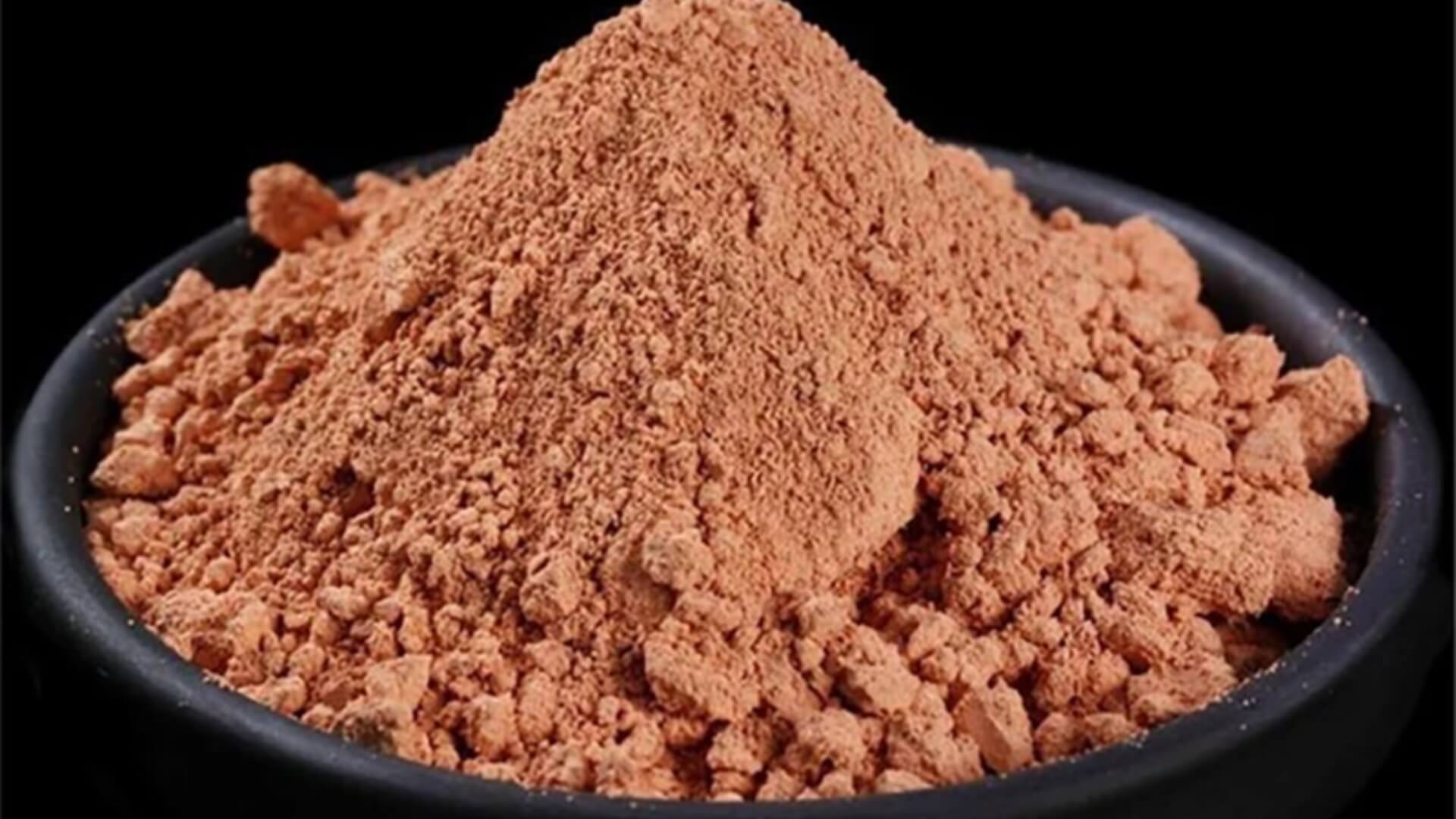
Scientific Principles: How Cerium Oxide Enables Atomic-Level Material Removal
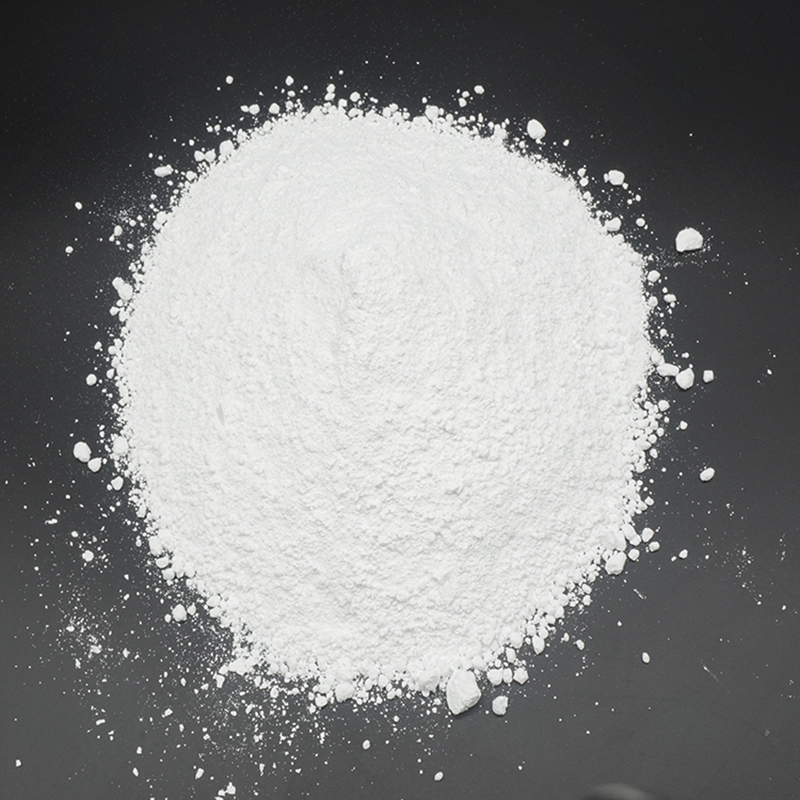
The excellence of cerium oxide polishing powder stems from its distinctive physicochemical characteristics. Physically, high-quality cerium oxide powder features a uniform sub-micron particle size distribution (typically with a D50 in the range of 0.3-1.5μm) and high hardness (approximately 7 on the Mohs scale). This structural property allows it to generate billions of micro-cutting points during the polishing process, facilitating even abrasion of the glass surface.
Crucially, its chemical polishing mechanism involves the formation of a transitional layer through Ce-O-Si chemical bonding between cerium oxide and the surface of silicate glass under pressure and friction. This transitional layer is continuously generated and removed through mechanical shear, achieving atomic-level material removal. This mechanical-chemical synergistic action results in higher material removal rates and reduced surface damage compared to pure mechanical polishing.
Technical Performance: Quantifying Cerium Oxide Polishing Powder Quality
The core technical indicators for evaluating cerium oxide polishing powder form a comprehensive quality system:
Rare Earth Oxide (REO) Content and Cerium Oxide Purity: High-end polishing powders should have REO ≥ 90%, ensuring consistency and stability of the polishing chemical reactions.
Particle Size Distribution: D50 (median particle size) and D90 (the particle size at which 90% of particles are found) together determine polishing precision; for high precision optical polishing, D50 ≤ 0.5μm and D90 ≤ 2.5μm are required, indicating a narrow size distribution.
Suspension Stability: Quality products should maintain stable suspension for 60-80 minutes in the polishing solution to avoid uneven polishing due to sedimentation.
These indicators collectively form the performance evaluation model for ceria polishing powder, directly influencing the final polishing results.
Application Landscape: From Everyday Glass to Cutting-Edge Technology
Cerium oxide polishing technology has permeated numerous modern industrial fields:
Display and Optoelectronic Industries: It is a key consumable for polishing ITO conductive glass, ultra-thin cover glass, and liquid crystal display panels, achieving sub-nanometer roughness without damaging the ITO film.
Optical Instruments: Used in the processing of various components such as lenses, prisms, and optical filters, cerium Oxide is especially suitable for the precision polishing of specialized optical glass, such as flint glass, reducing polishing time by 40%-60%.
High-End Instrument Manufacturing: In the production of ultra-precision optical elements like semiconductor silicon wafers, spacecraft observation windows, and laser gyroscope mirrors, high-purity nano cerium oxide (purity ≥ 99.99%, particle size ≤ 0.3μm) can achieve atomic-level surface flatness.
Decorative and Artistic Processing: Employed in the surface treatment of luxury items such as synthetic gemstones, crystal crafts, and high-end watch faces, it delivers scratch-free, highly transparent visual effects.
From the crystal-clear brilliance of smartphone screens to the extreme precision of space telescope lenses, cerium oxide polishing powder has achieved significant advancements in human visual experience through its work in the microscopic world. This technology, which combines materials science, interface chemistry, and precision mechanics, continues to push the limits of glass surface treatment. Each microscopic interaction during the polishing process illustrates how the natural properties of a material can be transformed into the power that changes our visual perspective.