
Research on the Application of Zirconia Powder in High-End Precision Polishing
With the rapid development of high-tech industries such as electronics and information technology, optical manufacturing, semiconductors, and advanced ceramics, higher requirements are being placed on the quality of material surface processing. In particular, in the ultra-precision machining of key components such as sapphire substrates, optical glass, and hard disk platters, the performance of the polishing material directly determines machining efficiency and final surface quality. Zirconia powder (ZrO₂), a high-performance inorganic material, is gradually emerging in the field of high-end precision polishing due to its excellent hardness, thermal stability, wear resistance, and polishing properties, becoming a representative of the next generation of polishing materials after cerium oxide and aluminum oxide.
I. Material Properties of Zirconia Powder
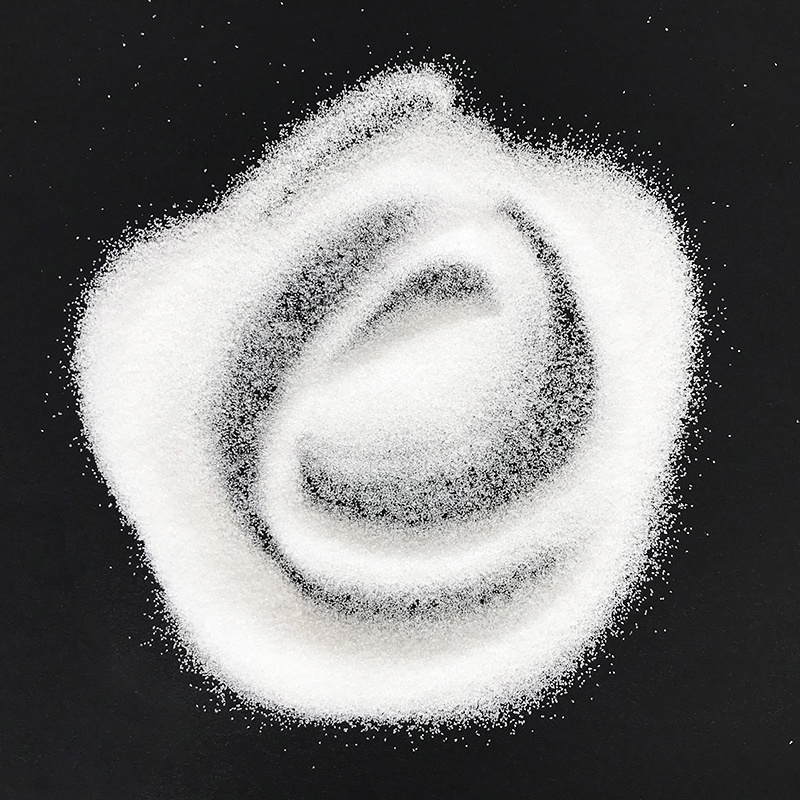
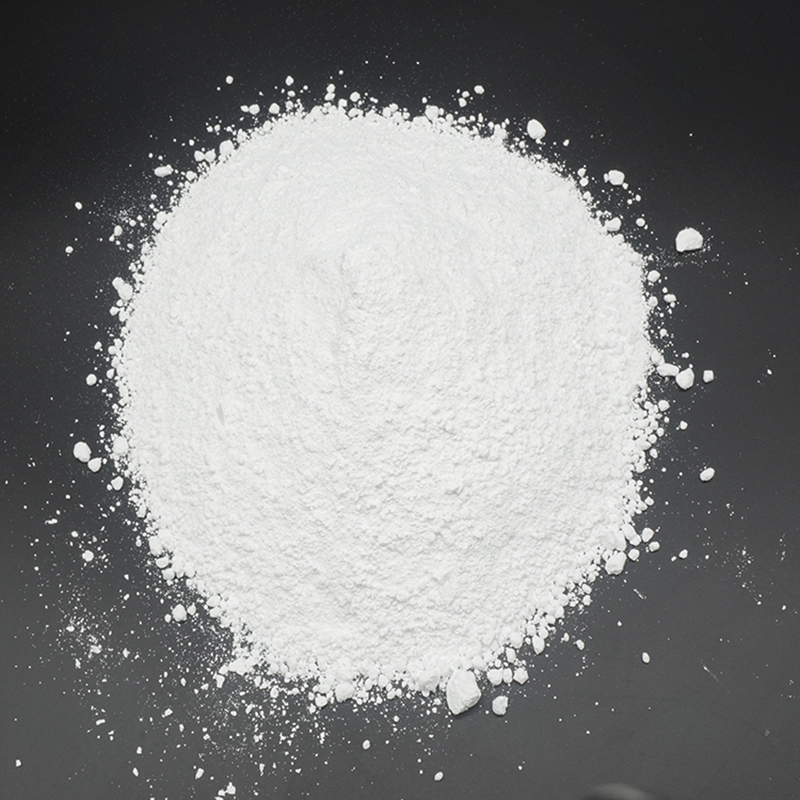
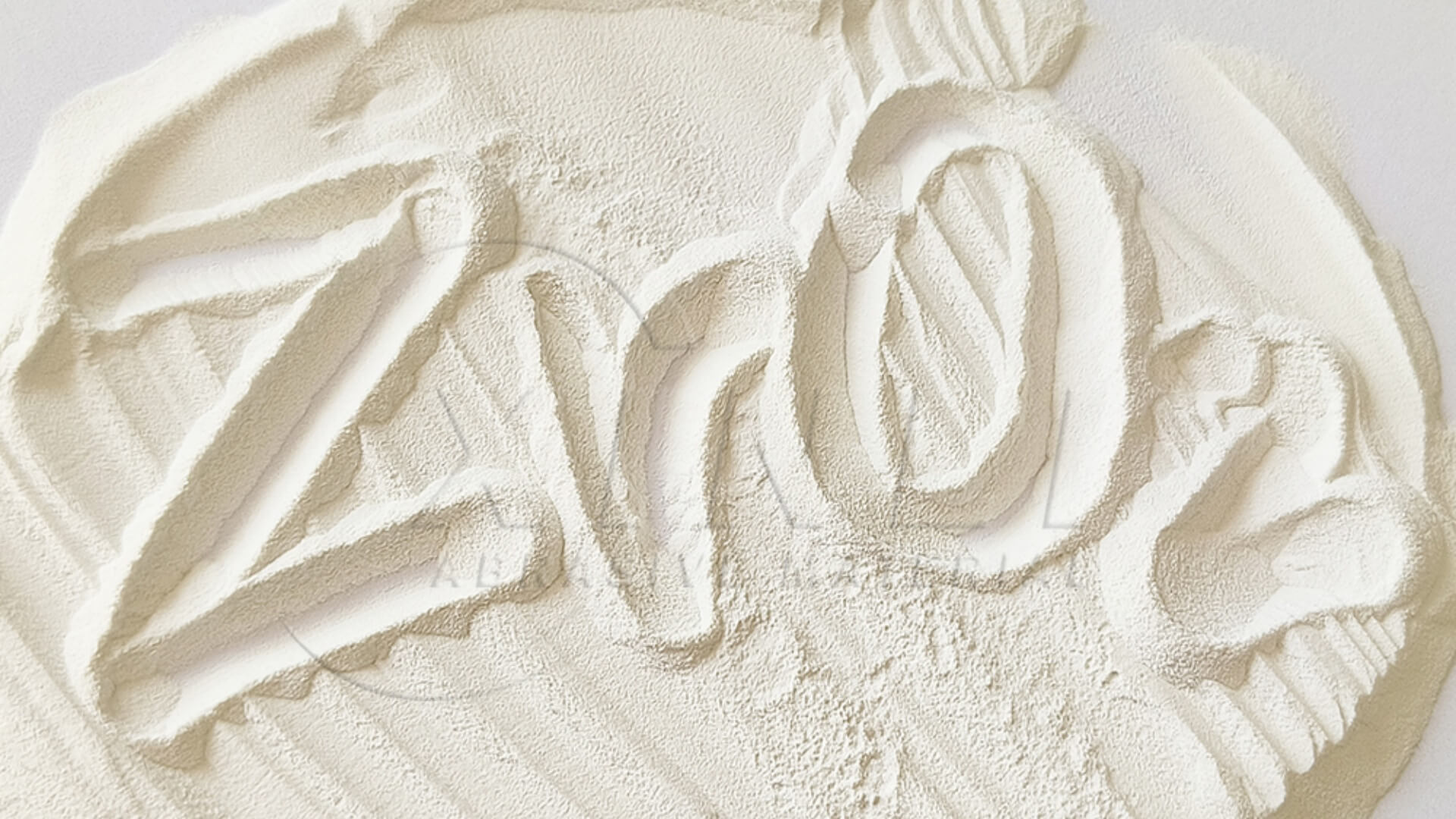
Zirconia is a white powder with a high melting point (approximately 2700°C) and a variety of crystal structures, including monoclinic, tetragonal, and cubic phases. Stabilized or partially stabilized zirconia powder can be obtained by adding appropriate amounts of stabilizers (such as yttrium oxide and calcium oxide), allowing it to maintain excellent phase stability and mechanical properties even at high temperatures.
Zirconia powder‘s outstanding advantages are primarily reflected in the following aspects:
High hardness and excellent polishing ability: With a Mohs hardness of 8.5 or above, it is suitable for final polishing of a variety of high-hardness materials.
Strong chemical stability: It remains stable in acidic or slightly alkaline environments and is not susceptible to chemical reactions.
Excellent dispersibility: Modified nano- or submicron-sized zirconia powders exhibit excellent suspension and flowability, facilitating uniform polishing.
Low thermal conductivity and low friction damage: The heat generated during polishing is minimal, effectively reducing thermal stress and the risk of microcracks on the processed surface.
II. Typical Applications of Zirconia Powder in Precision Polishing
1. Sapphire Substrate Polishing
Sapphire crystals, due to their high hardness and excellent optical properties, are widely used in LED chips, watch lenses, and optoelectronic devices. Zirconia powder, with its similar hardness and low damage rate, is an ideal material for chemical mechanical polishing (CMP) of sapphire. Compared to traditional aluminum oxide polishing powders, zirconia significantly improves surface flatness and mirror finish while maintaining material removal rates, reducing scratches and microcracks.
2. Optical Glass Polishing
In the processing of optical components such as high-precision lenses, prisms, and optical fiber end faces, polishing materials must meet extremely high cleanliness and fineness requirements. Using high-purity zirconium oxide powder with a controlled particle size of 0.3-0.8 μm as a final polishing agent achieves extremely low surface roughness (Ra ≤ 1 nm), meeting the stringent “flawless” requirements of optical devices.
3. Hard Drive Platter and Silicon Wafer Processing
With the continuous increase in data storage density, the requirements for hard drive platter surface flatness are becoming increasingly stringent. Zirconia powder, used in the fine polishing stage of hard drive platter surfaces, effectively controls processing defects, improving disk write efficiency and service life. Furthermore, in the ultra-precision polishing of silicon wafers, zirconium oxide exhibits excellent surface compatibility and low loss properties, making it a growing alternative to ceria.
Ⅲ. The Effect of Particle Size and Dispersion Control on Polishing Results
The polishing performance of zirconium oxide powder is closely related not only to its physical hardness and crystal structure, but is also significantly influenced by its particle size distribution and dispersion.
Particle Size Control: Excessively large particle sizes can easily cause surface scratches, while too small can reduce material removal rates. Therefore, micropowders or nanopowders with a D50 range of 0.2 to 1.0 μm are often used to meet different processing requirements.
Dispersion Performance: Good dispersibility prevents particle agglomeration, ensures the stability of the polishing solution, and improves processing efficiency. Some high-end zirconia powders, after surface modification, exhibit excellent suspension properties in aqueous or weakly acidic solutions, maintaining stable operation for over dozens of hours.
IV. Development Trends and Future Outlook
With the continuous advancement of nanofabrication technology, zirconia powders are being upgraded towards higher purity, narrower particle size distribution, and enhanced dispersibility. The following areas warrant attention in the future:
1. Mass Production and Cost Optimization of Nano-Scale Zirconia Powders
Addressing the high cost and complex process of preparing high-purity powders is key to promoting their wider application.
2. Development of Composite Polishing Materials
Combining zirconia with materials such as alumina and silica improves removal rates and surface control capabilities.
3. Green and Environmentally Friendly Polishing Fluid System
Develop non-toxic, biodegradable dispersion media and additives to enhance environmental friendliness.
V. Conclusion
Zirconium oxide powder, with its excellent material properties, is playing an increasingly important role in high-end precision polishing. With continuous advancements in manufacturing technology and rising industry demand, the application of zirconium oxide powder will become more widespread, and it is expected to become a core support for the next generation of high-performance polishing materials. For relevant companies, keeping pace with material upgrade trends and expanding high-end applications in the polishing field will be a key path to achieving product differentiation and technological leadership.