
Performance of Alumina Powder as a Catalyst Support
When discussing the chemical industry, especially the field of catalysis, there’s a lot to it. Today, we won’t talk about those high-end, tongue-twisting active metal components, but rather the often overlooked yet absolutely indispensable “unsung hero”—alumina powder. It’s like the pillar of a stage, or the foundation of a building; how well the active components, those “stars,” perform depends entirely on how well the stage is built.
When I first entered this field, I also found it strange—why alumina specifically? It sounds unremarkable, so how come it occupies such a significant place in the catalyst support industry? Later, after spending a long time with experienced workers in the lab and workshop, I gradually came to understand. It’s not the “best” choice, but rather the “most balanced” choice found between performance, cost, and practical application. This is similar to buying a car; we don’t necessarily need the fastest one, but rather one that balances fuel efficiency, space, durability, and price. In the carrier industry, alumina is like that “all-rounder”—few weaknesses and outstanding strengths.
First, we must praise its “porous sponge” quality—large surface area and exceptionally high growth potential.
This is the core strength of alumina powder. Don’t imagine it as the dense, hard dough you use at home. After special processing, the interior of an alumina carrier is riddled with micropores and channels at the nanoscale. This structure is called “high specific surface area.”
To illustrate, one gram of high-quality alumina powder, if all its internal pores were fully expanded, would easily reach several hundred square meters in surface area—larger than a basketball court! Imagine how many catalytically active components (such as platinum, palladium, and nickel) could be accommodated in such a large “territory”! It’s like providing the active components with a super-large, finely furnished “dormitory,” allowing them to disperse evenly and avoid clumping together, thus maximizing their exposure and contact with reactants. This fundamentally ensures catalytic efficiency.
Moreover, the pore structure of this “sponge” can be “customized.” By adjusting the preparation process, we can control the size, distribution, and shape of its pores to a certain extent, much like molding clay. Some reactant molecules are large and require larger “doors” to enter; some reactions are fast and require shorter pores to avoid them getting lost in a maze. The alumina support can perfectly meet these “personalized needs,” a flexibility unmatched by many other materials.
Secondly, its “good temperament” is worth mentioning—it possesses both excellent chemical stability and mechanical strength.
The environment where catalysts reside is far from comfortable. It’s often high temperature and pressure, and sometimes even involves exposure to corrosive gases. Imagine if the support itself were a “soft target,” crumbling within two days in the reactor, or reacting chemically with the active components and reactants—wouldn’t everything be in chaos?
Alumina powder, in this respect, is remarkably “stable.” It maintains its crystal structure even at high temperatures, resisting collapse, and its chemical properties are relatively “neutral,” not readily reacting with other substances. This ensures a relatively long catalyst lifespan, saving factories significant downtime and replacement costs.
Furthermore, consider mechanical strength. In industrial reactors, catalysts aren’t simply laid still; they often need to withstand the impact of airflow, friction between particles, and even tumbling within a moving bed. If the strength is insufficient, it will crumble into powder during transportation, or turn to ash as soon as it enters the reactor—what catalysis can it possibly achieve? Alumina supports, after molding and calcination, develop sufficiently high strength to withstand these “tortures,” ensuring the long-term, stable operation of the reaction device. This is what experienced workers mean when they say “this catalyst is solid.”
Furthermore, it’s also very resilient—its surface properties are highly active.
The surface of alumina isn’t smooth. It contains acidic or basic sites. These sites themselves possess catalytic capabilities for some reactions. More importantly, they can “interact” with the supported active metal—a phenomenon we call interaction.
This interaction has many benefits. On one hand, it acts like “glue,” firmly “adhering” the metal particles to the support, preventing them from moving, agglomerating, and growing at high temperatures (this is called sintering). Once sintering occurs, the catalytic activity drops drastically. On the other hand, it can sometimes alter the electronic state of metal particles, making them perform better in catalytic reactions, achieving a synergistic effect of “1+1>2″.
Of course, nothing is perfect. Alumina supports are not without flaws either. For example, in extremely high-temperature environments with water vapor, it may undergo a “phase transition,” changing from the highly active γ-type to the less active α-type, leading to pore structure collapse and a sharp reduction in surface area. This is similar to activated carbon being burned into graphite; although still carbon, its adsorption capacity is drastically different. Therefore, researchers have been working to improve its thermal stability by doping it with other elements (such as silicon and zirconium) or developing new preparation processes to maximize its strengths and minimize its weaknesses.
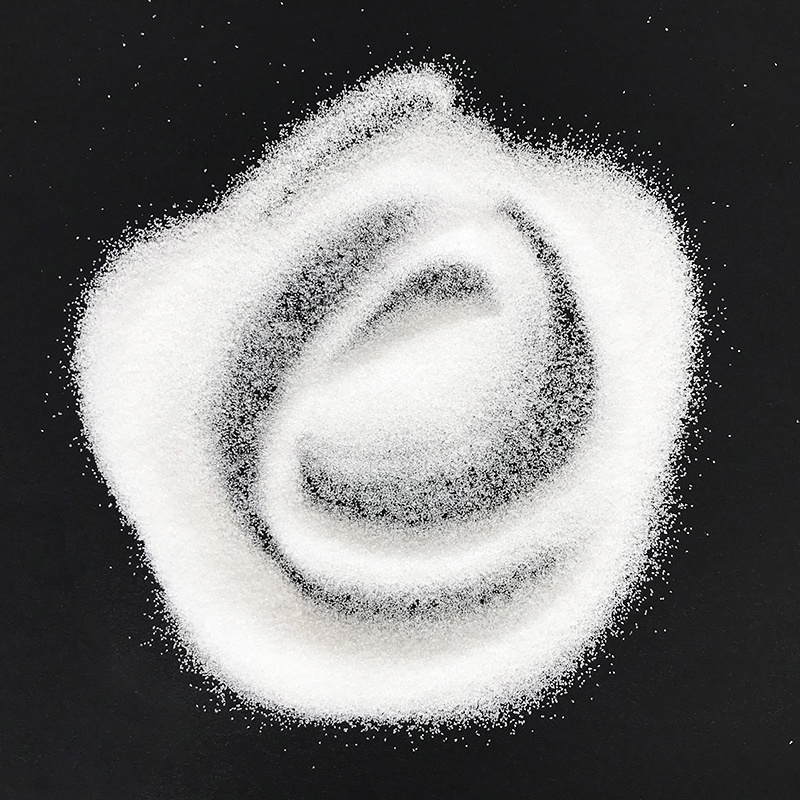
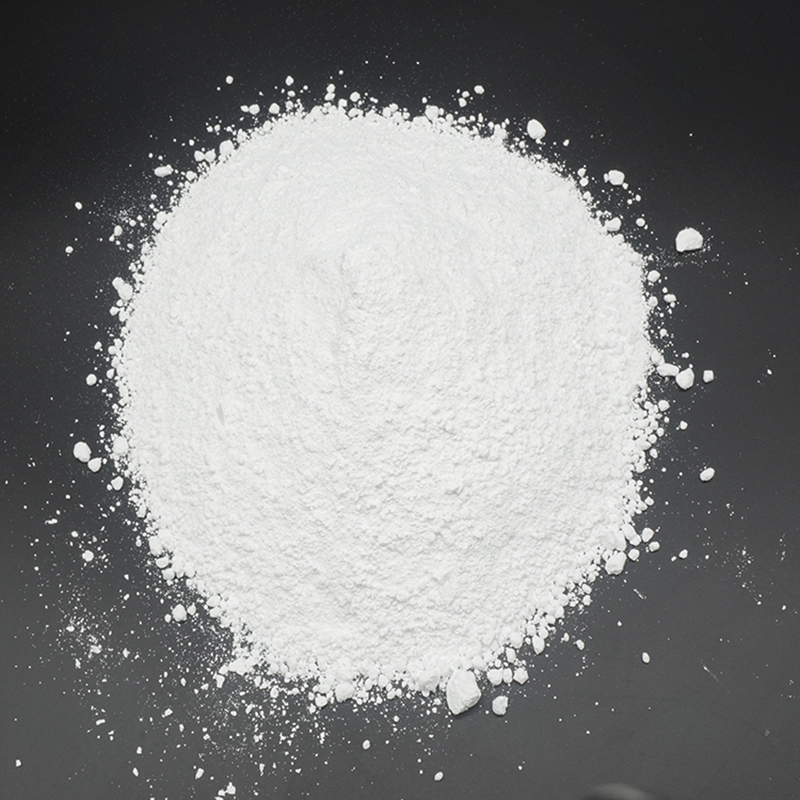
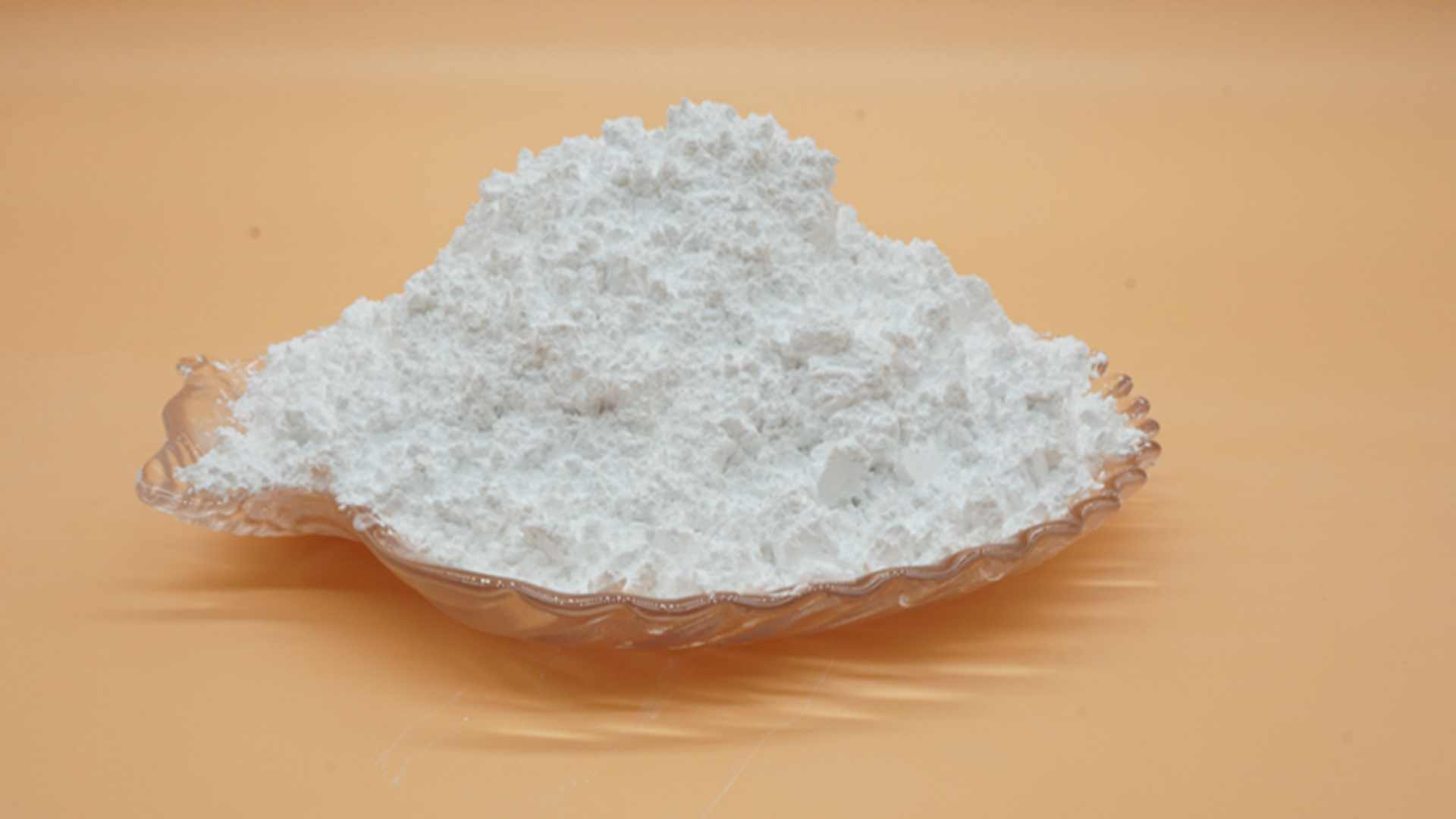
So, you see, this seemingly ordinary white powder contains a wealth of knowledge. It’s not some unfathomable black technology, but it is precisely this kind of material, striving for balance and optimization in every detail, that supports half of the modern industrial catalytic system. From purifying automobile exhaust to cracking and reforming petroleum, and synthesizing various chemical raw materials, the silent work of alumina carriers is almost always visible behind the scenes.
It doesn’t shine like precious metals such as platinum or palladium, and its price is far lower, but its reliability, durability, and high cost-effectiveness make it the most solid foundation for large-scale industrial applications. Next time you hear about a breakthrough in catalytic technology, give it a mental thumbs up, because alumina powder, the unsung hero behind the scenes, deserves a large share of the credit for this achievement.