
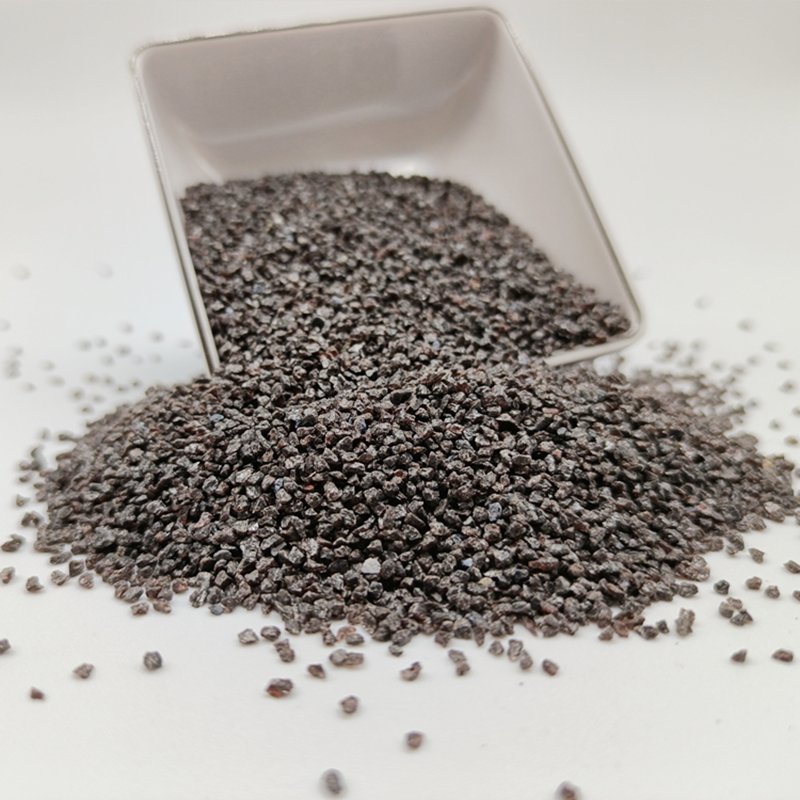
You might not believe it, but last week when I visited an old client who does metal processing, I heard a deafening “hissing” sound as soon as I entered the workshop. Upon closer inspection, several workers were working with sandblasting guns, sparks flying as the abrasive material hit the metal parts. The boss, Old Li, saw me and shook his head, pointing to a bag of brown fused alumina abrasive on the ground: “This stuff is a real headache to use. It generates a lot of dust, and the wear and tear is fast. The workers don’t like doing this job.”
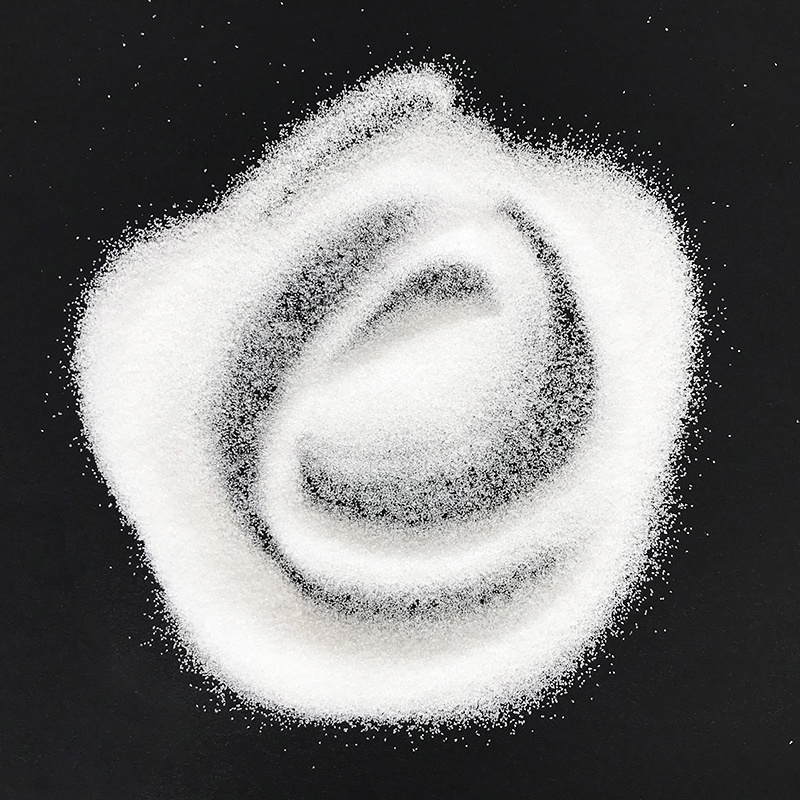
I squatted down, grabbed a handful of the white fused alumina sample we brought, and put it in his hand: “Try this?” Three days later, Old Li called me: “What’s the deal with your white fused alumina sandblasting? Not only is the efficiency higher, but the visibility in the workshop is much better!” Actually, in the surface treatment industry, choosing the right sandblasting abrasive is like a chef choosing the right knife – it makes all the difference. Today, let’s talk about white fused alumina sandblasting, its outstanding advantages, and where it can be used in ways you might and might not expect.
I. Let’s talk about the material itself: White Fused Alumina
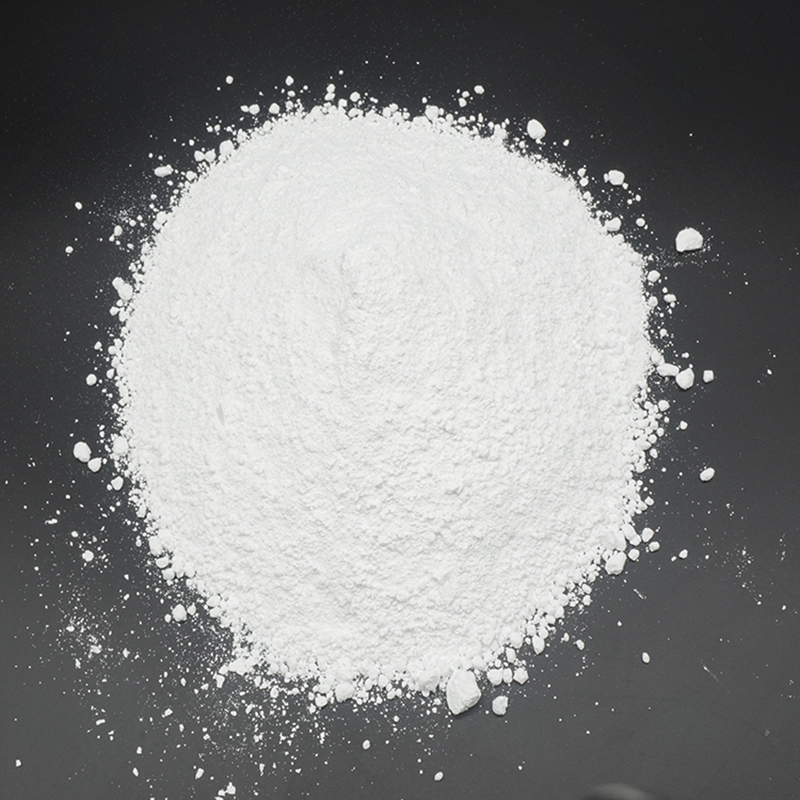
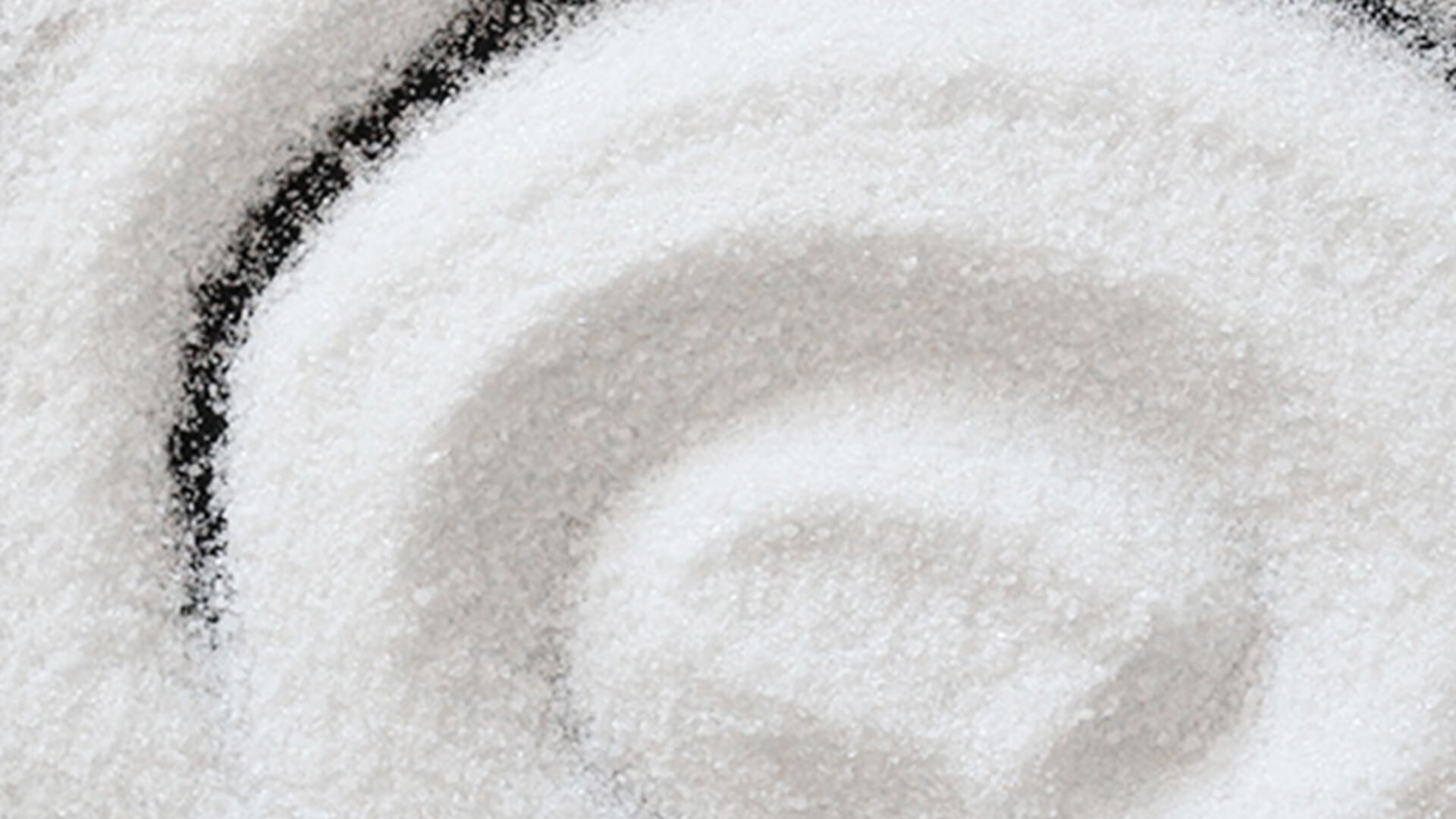
White fused alumina, simply put, is a material produced by melting and recrystallizing high-quality bauxite in an electric arc furnace at temperatures above 2000°C. Its main component is α-alumina, with a purity of over 99%. There’s an old saying in our industry: “White fused alumina, a tough nut to crack,” referring to its Mohs hardness of 9.0, second only to diamond. This high purity and hardness make it an ideal material for “tough jobs” like sandblasting.
Many manufacturers I’ve encountered initially thought that sandblasting was all the same, regardless of the abrasive. But they only realized after using it that the choice of abrasive directly determines the final effect and overall cost. It’s like cutting meat with a blunt knife versus a sharp knife; they both cut, but the difference is huge.
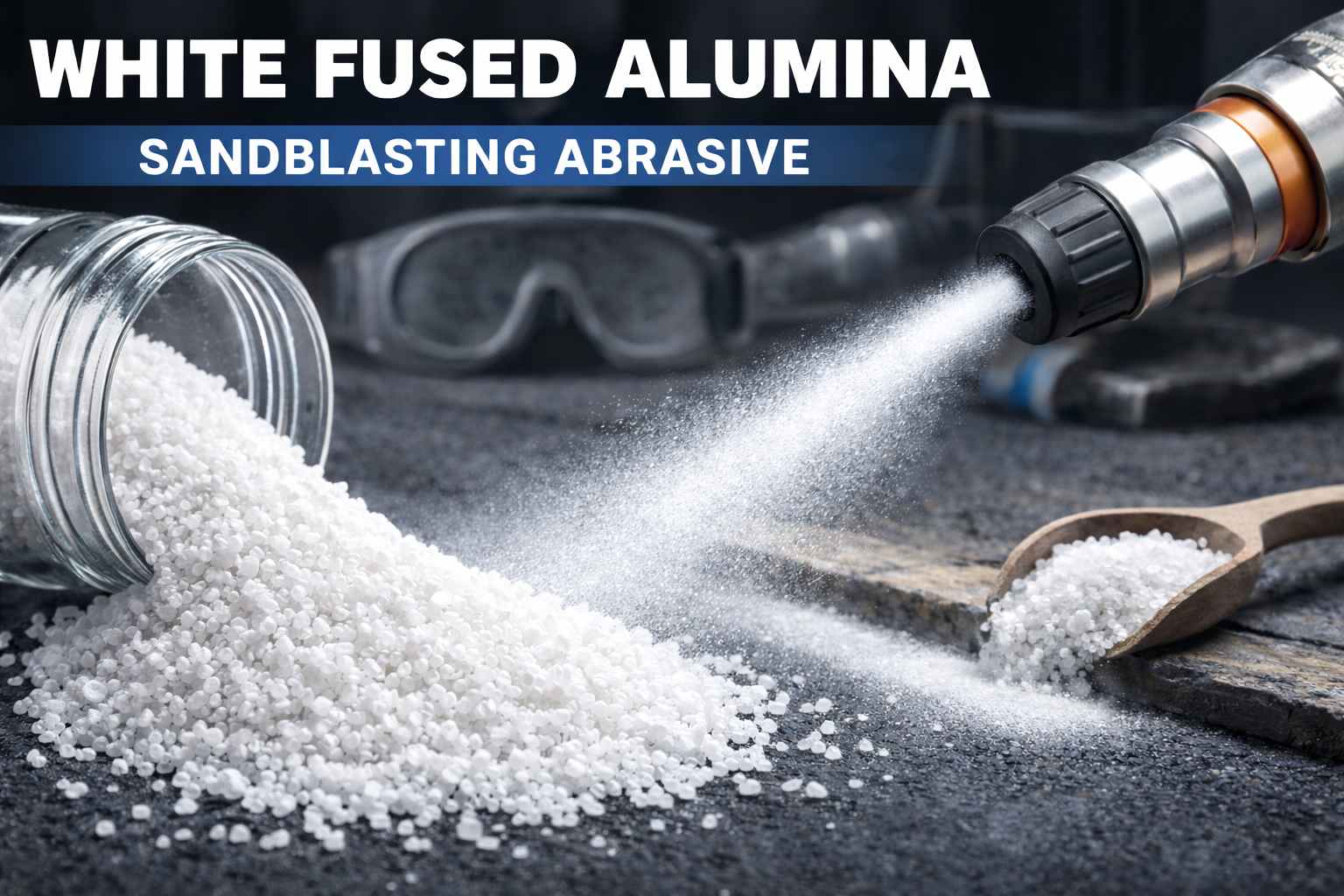
II. Five Key Advantages of White Fused Alumina Sandblasting
First, it’s incredibly durable and long-lasting.
With ordinary brown fused alumina sandblasting, you have to replenish the material frequently, and the dust is so thick you can’t see anything. White fused alumina is highly valued for its high hardness and excellent toughness, making it resistant to breakage during impact. We conducted comparative tests, and under the same pressure and working conditions, white fused alumina consumption was 30%-40% less than brown fused alumina. Don’t underestimate this figure; for large factories that use several tons of abrasive materials a day, the money saved in a year is enough to buy a decent car.
Secondly, it works efficiently and quickly.
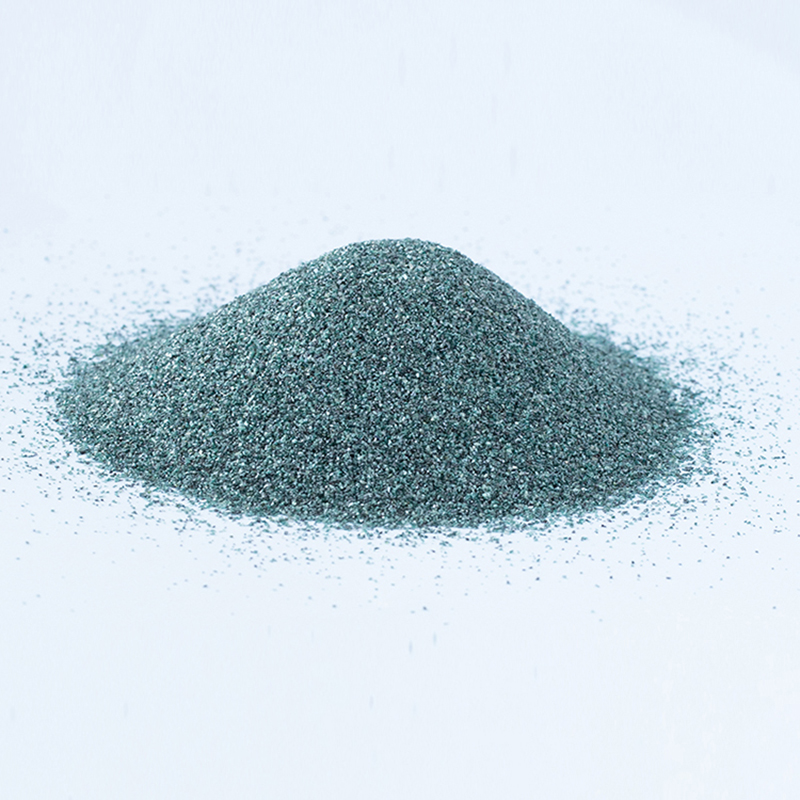
White fused alumina particles have a very regular shape, mostly sharp-angled polygons. When projected at high speed, this shape acts like countless small cutting tools, providing exceptional cutting ability. For cleaning the same area of castings, white fused alumina can save nearly half the time compared to ordinary quartz sand. Old Wang’s foundry switched to white fused alumina last year, and the sandblasting process, which previously required three shifts, can now be completed in two shifts, saving a significant amount on labor costs.
Thirdly, it produces high-quality results with consistent quality.
Sandblasting needs to be not only fast but also high-quality. The surface blasted with white fused alumina has a uniform roughness and does not show unevenness. Especially for high-demand workpieces like stainless steel and aluminum alloys, white fused alumina sandblasting results in a uniform matte silver-white surface, completely free of embedded impurities, providing a perfect foundation for subsequent painting and electroplating. One of our clients, a manufacturer of high-end kitchenware, saw a significant improvement in product surface quality after switching to white fused alumina sandblasting, leading to a 30% increase in export orders.
Fourthly, it’s an “environmentally friendly” option.
Everyone knows how strict environmental regulations are now. White fused aluminasandblasting produces significantly less dust than many other abrasives. Firstly, its high purity and quality result in less respirable dust; secondly, its durability allows for repeated use, naturally reducing overall dust emissions. Furthermore, white fused alumina does not contain free silica, preventing silicosis, giving workers peace of mind. Since Old Li’s workshop switched to white fused alumina, the frequency of replacing the dust collector filter bags has decreased from once a month to once every three months, representing a real cost reduction.
Fifthly, it has “wide applicability.”
From the most precise medical instruments to massive ship steel plates, white fused alumina sandblasting can handle it all. Unlike some specialized abrasives, it’s not as “delicate.” By adjusting the grit size (from coarse 16 mesh to fine 240 mesh or even finer) and blasting pressure, it can handle both heavy-duty cleaning and fine finishing. This flexibility makes it a “versatile performer” in many factories.
III. Where can white fused alumina blasting be used?
Having discussed its many advantages, let’s look at where it can be specifically applied:
1. Aerospace industry: A representative of “high-tech and precision”
Aircraft engine blades, landing gear, and various avionics components have extremely demanding surface treatment requirements. White fused alumina blasting mainly performs two tasks here: first, removing oxide layers and minor defects from the component surface; second, creating a uniform stress layer to improve the fatigue life of the parts. I visited a company that repairs aircraft, and they only use white fused alumina for the sake of absolute quality stability.
2. Automotive manufacturing and repair: A major force in a large and diverse market
From cleaning and strengthening engine blocks, crankshafts, and gears in new cars, to rust and paint removal during the refurbishment of old cars, white fused alumina is the preferred choice. Especially for the aluminum alloy battery trays and motor housings of new energy vehicles, which have strict requirements for surface cleanliness and roughness, the advantages of white fused alumina blasting are even more evident.
3. Mold industry: “Beautifying” and “extending the life” of molds
Injection molds, die-casting molds, and glass molds accumulate fine scratches, carbon deposits, or residues over time. Fine-grit white fused alumina blasting can miraculously repair these minor defects, remove residues, and create a uniform surface texture that facilitates demolding without altering dimensional accuracy. Many experienced mold makers say that regular maintenance with white fused alumina blasting can extend mold life by one-third.
4. Stainless steel products and decorative engineering: It’s all about “aesthetics”
Whether it’s high-end stainless steel cabinets, elevator panels, or building curtain walls and sculptures, a matte finish is becoming increasingly popular. White fused alumina blasting can provide a variety of controllable decorative effects, from fine textures to uniform matte finishes, and the effects are long-lasting, unlike chemical etching which can easily produce uneven results.
5. Shipbuilding and Heavy Industry: Tackling the “Big Guys”
Ship decks, large steel bridges, and storage tanks – these massive structures require thorough rust removal and excellent coating adhesion. White fused alumina, with its efficient cleaning capabilities and moderate cost, holds a firm position in this field. Especially in ship repair, where large areas of the hull need to be cleaned within a limited time, the efficiency advantage of white fused alumina is irreplaceable.
6. Some Unexpected Applications
For example, cleaning and restoring the stone surfaces of historical monuments, white fused alumina can precisely remove dirt layers without damaging the artifact itself; in the semiconductor industry, it’s used for the regular cleaning of certain wafer boats; and even in high-end woodworking, it’s used to create unique textures on hardwood surfaces.
IV. Things to Keep in Mind When Using It
Of course, white fused alumina isn’t a “cure-all,” and its maximum value is achieved only when used correctly. Here are a few suggestions: For particularly soft materials (such as certain non-ferrous metals and plastics), carefully select the particle size and pressure to avoid excessive cutting. The blasting equipment should be matched, and a good recycling system is essential to fully utilize its recyclable advantages and reduce costs. Although it is relatively environmentally friendly, personal protective equipment is still necessary; safety glasses, dust masks, and professional work clothes are all indispensable.